
Reviewed · SERRA MALAGUETA HIKES
Serra Malagueta Natural Park: Hike to Gongon Valley & Lunch
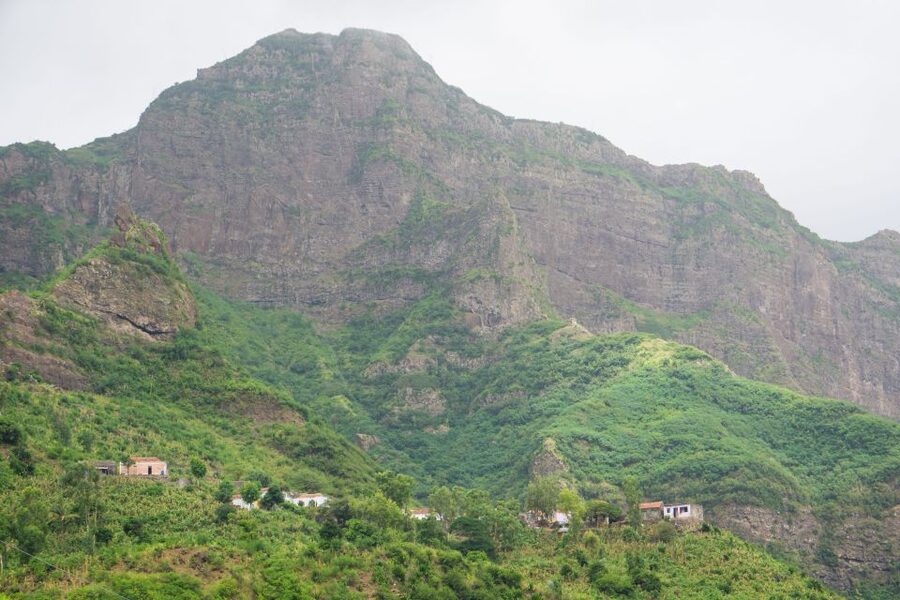
Serra Malagueta gives you Santiago at its most dramatic: a high trail, jagged hills, remote villages, and a long descent toward the valleys. I like the chance to meet local families and eat with them, rather than simply stopping for a view. I also like that pickup, transport, a guide, lunch, and insurance are included.
The catch is the route. This is a difficult 12.5-kilometer hike with about 580 meters of ascent and up to 1,100 meters of descent. Heat, mud, and slippery ground can make it tougher, and one fast-paced outing covered the distance in about three and a half hours with too little attention to the group. Ask your guide to keep the pace safe and together.
In This Review
- Key points at a glance
- Why Serra Malagueta is worth the effort
- From Praia to the 1,000-meter trailhead
- Walking through Serra Malagueta Natural Park
- Views, birds, and the descent to Gongon Valley
- Deserted villages and a meal with a local family
- Completing the route through Hortelã Valley
- What the $106 price covers
- How hard is the hike?
- The guides and the quality of the day
- Who should book this Santiago hike?
- Should you book Serra Malagueta Natural Park?
- FAQ
- Where does the Serra Malagueta hike begin?
- How far is the hike?
- How long does the walking take?
- How difficult is the trail?
- What should I bring?
- Is lunch included?
- Is transportation from Praia included?
- What languages are available, and is the hike wheelchair accessible?
Key points at a glance
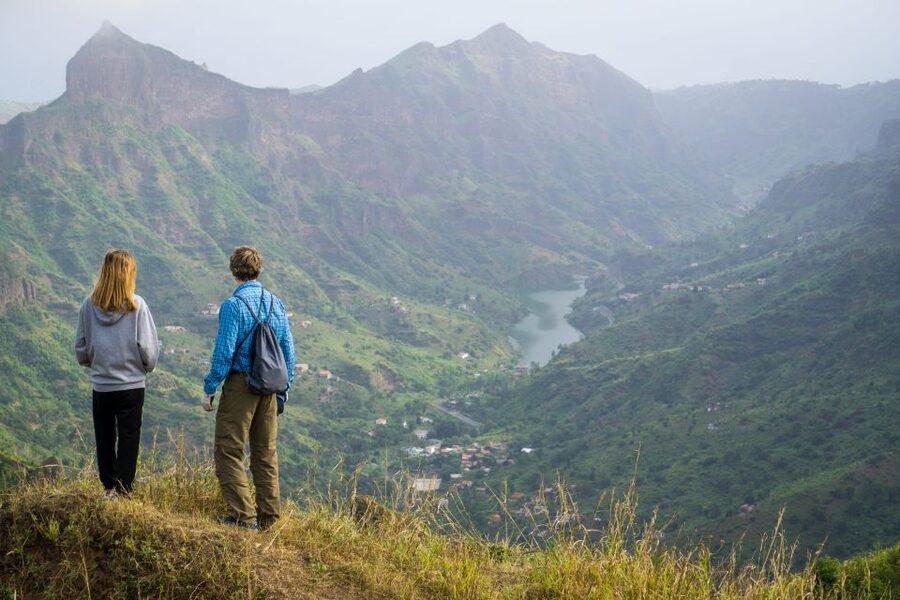
- A high start and a long downhill finish: Begin around 1,000 meters above sea level and descend toward a low valley at about 110 meters.
- Local life along the trail: Pass deserted villages and meet families living in remote mountain areas.
- A real mountain walk: Expect roughly four to five hours on a mix of flat sections and steep, safe descents.
- Food with a local family: Lunch may be a packed sandwich and fruit, or a home-cooked local dish served at a family house.
- Wildlife and native plants: Watch for vervet monkeys, gray-headed kingfishers, and endemic flora.
- Easy transport from Praia: Hotel pickup and drop-off save you the trouble of arranging a long mountain transfer.
Why Serra Malagueta is worth the effort
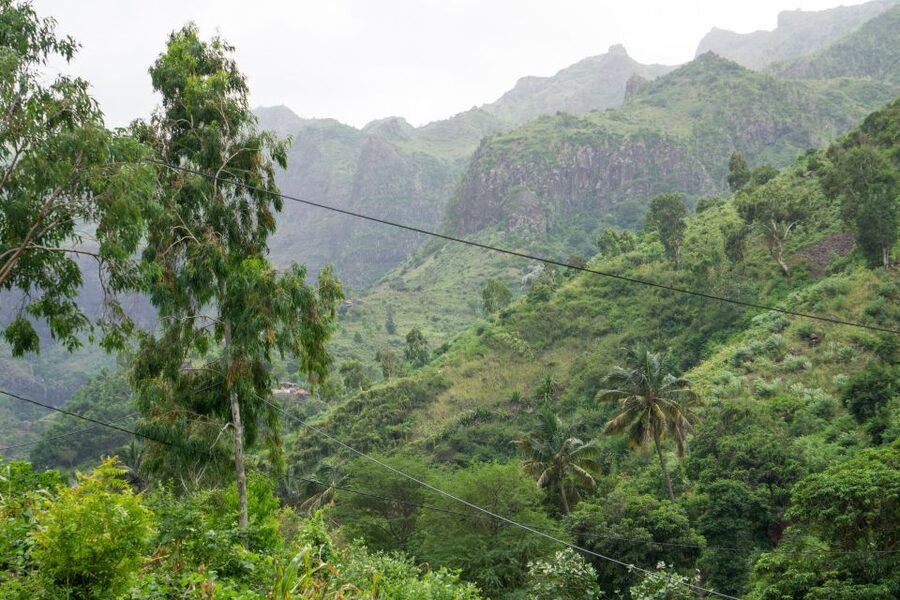
Many day trips from Praia show you Santiago through a vehicle window. This one asks you to walk through it. The trail begins high in Serra Malagueta Natural Park, where the air and views change quickly as you leave Praia behind.
From the ridge, you look across sharp hills and folds of green vegetation. The views are the main reward early in the hike, but the route becomes more interesting as you descend. You pass through quiet settlements, see how families live in the mountain valleys, and gradually move from high parkland toward warmer, lower ground.
I especially like the human side of this outing. Meeting local families gives the walk a purpose beyond taking photographs. You get a small window into daily life in remote parts of Santiago, where the pace is slower and access is not as easy as it is in Praia.
The natural setting also has more detail than a simple mountain viewpoint. Your guide can point out endemic plants, and you may spot vervet monkeys or gray-headed kingfishers. Wildlife is not guaranteed, so come for the walking and scenery first, with animals as a welcome extra.
More serra malagueta hikes in Praia:
- Serra Malagueta: Principal Valley Hike & Lunch with Locals
★ 4.7 · 64 reviews - Serra Malagueta Natural Park Hike & Relaxing Swim at Tarrafal Beach
★ 5.0 · 30 reviews - Santiago: Trek from Serra Malagueta to Rabelados Community
★ 5.0 · 16 reviews
From Praia to the 1,000-meter trailhead
The morning starts with pickup at your accommodation in Praia. Transport is included, so you can sit back for the drive to Serra Malagueta Natural Park instead of trying to find the trailhead yourself.
The trail starts at roughly 1,000 meters above sea level, with the highest point around 1,035 meters. That elevation gives you a cooler, more open beginning than you would have in the lower valleys, but do not assume the hike will stay cool. As the route loses height, the heat can become a serious factor.
Your guide leads the walk and explains the plants, terrain, and local surroundings. The available guide languages are English, Portuguese, French, and Spanish. Guides named in individual outings include Jose and Katia, also referred to as Cati, and both received especially warm praise for their kindness and care.
The group option requires at least two participants. If that minimum is not reached, the operator may suggest another date, offer a private outing for an extra fee, or cancel with a full refund. That is worth checking if your schedule is tight.
Walking through Serra Malagueta Natural Park
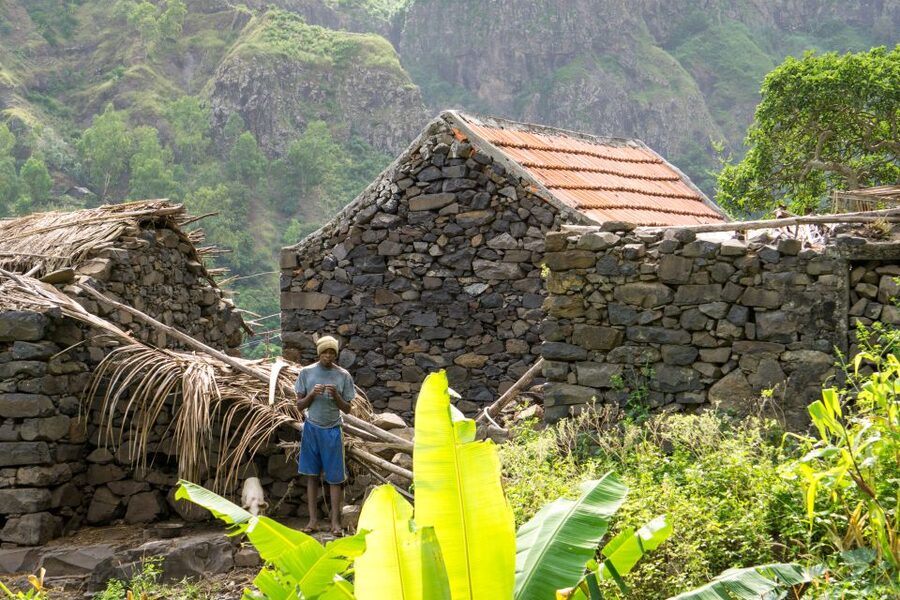
The first section lets you appreciate the park at its highest point. You walk among native and endemic plants, with broad views over Santiago’s rough hills and green valleys.
The trail is one way, not a loop. That matters because you are not retracing your steps to a vehicle. The route links the high park with Gongon Valley and then Hortelã Valley, creating a genuine cross-country walk rather than a short viewpoint stroll.
The path includes flat stretches, but the overall direction is down. The stated elevation loss is about 1,100 meters, compared with around 580 meters of gain. Downhill walking sounds easy until your knees and feet have been working for several hours. Good hiking shoes are essential, and walking poles are more than a nice extra.
Rain can change the footing. One outing in September encountered muddy, slippery descents, and the advice was clear: bring a walking stick, sturdy shoes, and a light windbreaker. Hiking pants are strongly advised from August through November. That seasonal warning is practical, since vegetation, wet ground, and brush can make shorts uncomfortable.
Views, birds, and the descent to Gongon Valley
As you move downhill, the scenery shifts from high ridges to steep folds and greener valley views. The route gives you time to see the shape of Santiago rather than just one postcard view.
Gongon Valley is one of the key geographic points on the walk. You cross the valley as part of the route east, with the trail continuing toward Hortelã. The setting is quiet and rural, and the change in elevation makes the walk feel like a journey through several parts of the island.
Keep your eyes open in the vegetation and along the hillsides. Vervet monkeys may appear, while gray-headed kingfishers can be seen in the area. A guide adds value here because you may walk past small natural details without noticing them.
The pace deserves attention. The normal walking time is given as four to five hours, but one very fast outing covered the distance in about three and a half hours. That speed was not suitable for everyone, especially on a demanding downhill trail. Tell your guide early if you need pauses, and stay with the group. The best version of this trip is steady and observant, not a race to the valley.
A few more Praia trips to weigh up
- Praia: Baobab Mysterious Tree, Green Valley & Old City Hike
★ 4.8 · 53 reviews - Santiago: Calabaceira Valley Trek & Visit to Cidade Velha
★ 4.8 · 49 reviews - Santiago: Monte Tchota Natural Park to Pico d’Antónia Hike
★ 4.8 · 43 reviews - Santiago Island: 4-Hour Calabaceira Valley Hike & Guided Tour to Cidade Velha
★ 5.0 · 18 reviews
Deserted villages and a meal with a local family
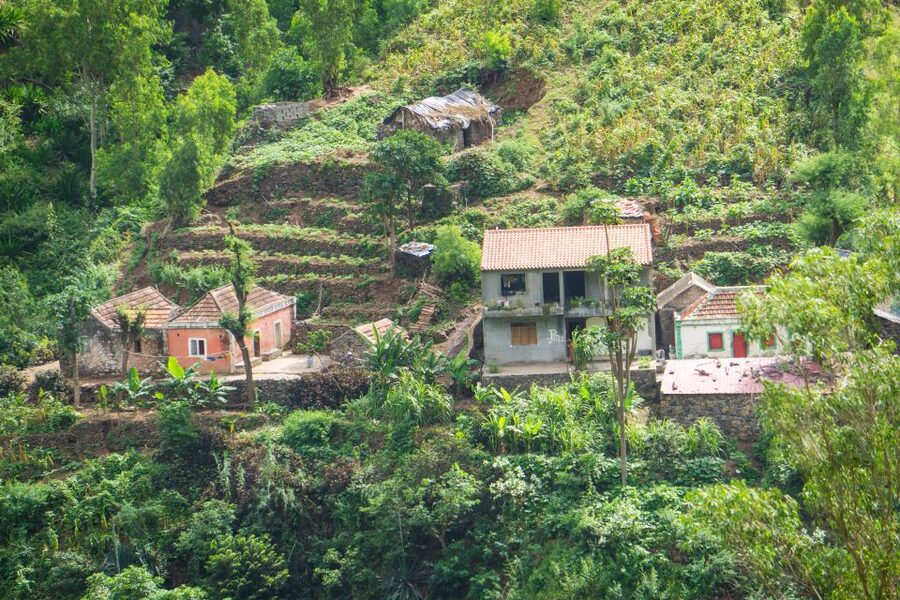
One of the most memorable sections comes after the mountain views, when you pass deserted villages and meet families in the remote valleys. These stops add context to the scenery. You are not just looking at isolated houses from a trail; you are learning something about life in a mountainous part of Santiago.
Lunch is described as a picnic with juice, fruit, and a sandwich. In practice, the food arrangement can vary. Some outings include a proper local meal at a family home, and Hermiña’s cooking received particularly strong praise. Another outing had only a quick papaya stop instead of the expected picnic.
That difference is important if lunch is one of your main reasons for booking. Think of the meal as a useful break with a local connection, but confirm the plan with your guide at the start. If you need a substantial lunch, carry extra snacks. The walk is long, and fruit alone may not be enough after several hours in the heat.
When the meal is served at a family house, it adds something a standard packed lunch cannot. You get to sit in a local setting and try a home-style dish. It is one of the strongest parts of the experience when the timing and arrangement work as planned.
Completing the route through Hortelã Valley
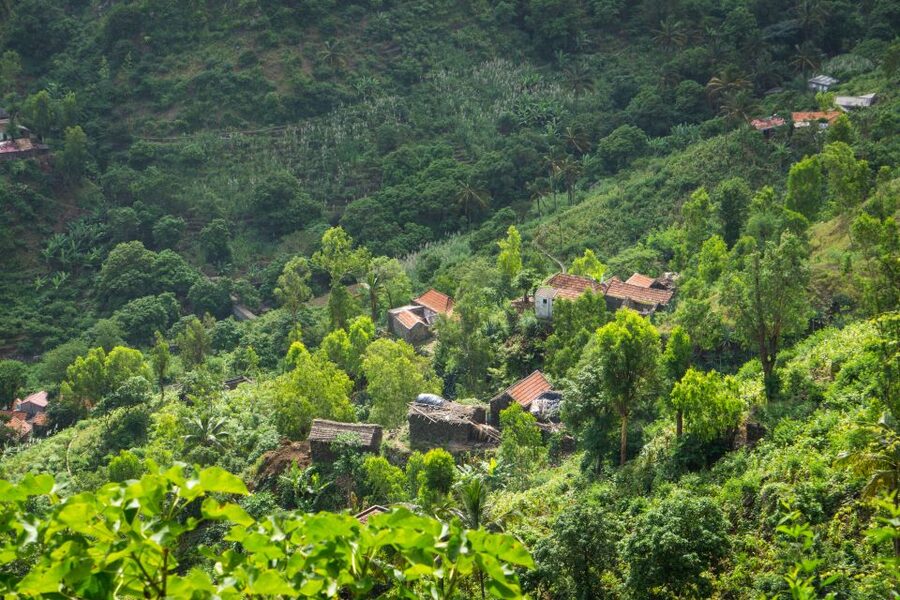
After crossing Gongon Valley, the walk continues east toward Hortelã Valley. By this stage, your legs will feel the distance, especially if the trail has been wet or if the guide has kept a quick pace.
The route finishes much lower than it begins, at around 110 meters above sea level. That large drop explains both the excellent variety of views and the physical demand. You start among high mountain plants and finish in a warmer, lower valley setting.
The trail is described as safe, but safe does not mean effortless. Steep sections need careful foot placement, especially when loose ground or mud is present. Hiking poles help with balance and reduce some of the strain on your knees.
At the end, transport returns you to your accommodation in Praia. That is a real convenience. You do not need to arrange a taxi from a remote valley after a long walk, and you can recover during the drive.
What the $106 price covers
At $106 per person, this is not the cheapest way to spend a day on Santiago. The value depends on what you would otherwise need to arrange yourself.
The price includes hotel pickup and drop-off in Praia, transportation, a guide, lunch, and liability insurance. For a mountain route with a one-way finish, transport alone would be awkward to organize independently. A guide is also useful for finding the route, explaining local plants and villages, and handling the meeting points along the way.
The Serra Malagueta park fee is extra at €2 per person. Carry the fee in cash, along with water and snacks. The price does not include personal hiking equipment, so shoes, poles, sunscreen, and a hat are your responsibility.
For me, the cost makes sense if you want a full mountain day with local contact and door-to-door transport. It is less attractive if you only want an easy nature walk or a short scenic stop. The physical challenge is a major part of what you are paying for.
How hard is the hike?
The official difficulty is difficult, and you should take that seriously. The route is about 12.5 kilometers, with four to five hours of walking, around 580 meters of elevation gain, and roughly 1,100 meters of descent.
The downhill sections are the main concern. A strong hiker may find the route manageable but tiring. A person who rarely hikes, struggles with knees, or dislikes heat and uneven ground may find it too much.
Several practical details make a big difference:
- Wear proper hiking shoes with good grip.
- Bring walking poles, especially for steep or wet descents.
- Carry water beyond what you expect to drink.
- Use sunscreen and wear a hat.
- Choose hiking pants from August through November.
- Pack a small windbreaker for rain or changing conditions.
- Bring snacks in case lunch is light or delayed.
- Ask for a sensible group pace rather than trying to keep up with a fast leader.
The walk is not suitable for wheelchair users. You need to be comfortable on uneven ground and able to manage long descents without regular vehicle support.
The guides and the quality of the day
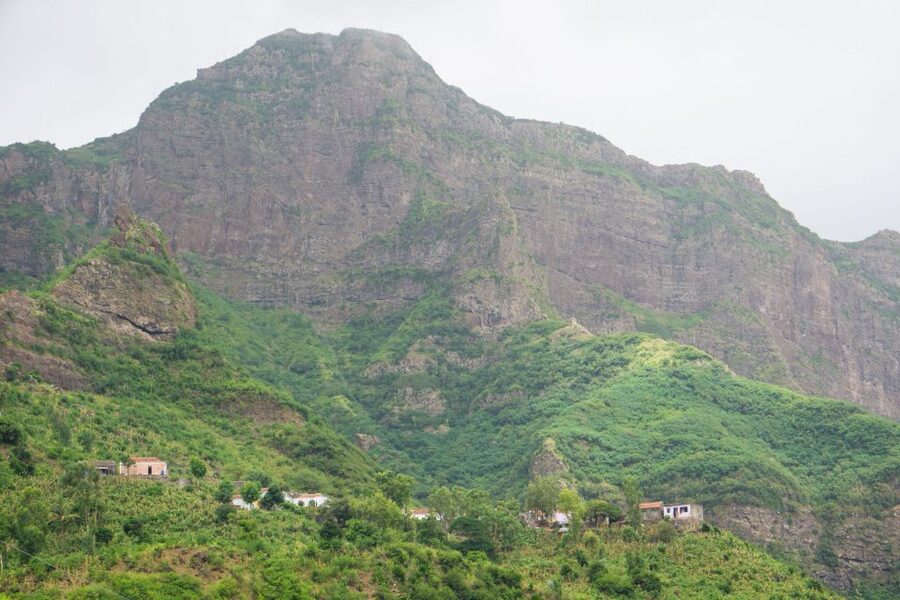
The guide can make or break this experience. Jose was praised for explaining more than the basic plan and for showing the area with care. Katia, also called Cati, was praised along with her driver for warmth and kindness. Other outings had two attentive and friendly guides.
That positive pattern is encouraging, but the fast-paced outing is a useful warning. On a difficult one-way trail, the guide should watch the whole group, notice slips, and allow short rests. You should not feel pressured to run downhill to keep a schedule.
The driver matters, too. Pickup was reported as punctual, and the included transport makes the day easier from start to finish. Since you return to Praia after reaching a different valley, having a driver arranged is a practical advantage.
Who should book this Santiago hike?
I would choose this for an active visitor who wants to see a less developed side of Santiago and is happy to work for the views. It suits you if you enjoy long walks, local food, mountain plants, and village encounters more than polished sightseeing.
It is also a good choice if you are staying in Praia and want an organized day without renting a car or arranging several transfers. The multilingual guide option helps if you prefer English, Portuguese, French, or Spanish.
I would hesitate if you want a gentle excursion, dislike steep downhill walking, or expect a leisurely picnic with plenty of time at every stop. I would also ask about the lunch plan and expected pace before booking, particularly during rainy months.
Cancellation is available up to 24 hours before the start for a full refund, and you can reserve while paying later. Those flexible terms help, but they do not change the need to prepare properly for the walk.
Should you book Serra Malagueta Natural Park?
Book it if you want Santiago on foot, not just from a roadside viewpoint. The high start, long descent, valley crossings, local family visit, and possible wildlife sightings create a full picture of the island’s interior.
Go prepared for a serious hike. Wear sturdy shoes, bring poles, water, sun protection, and a light rain layer. Confirm the lunch arrangement and ask the guide to keep the group together. With those expectations, the $106 price is reasonable for the transport, guiding, and local connection.
Skip it if you are looking for an easy half-day outing. Serra Malagueta rewards effort, and the reward is the chance to move from mountain ridge to remote valley under your own power.
FAQ
Where does the Serra Malagueta hike begin?
The walk begins inside Serra Malagueta Natural Park at about 1,000 meters above sea level. The highest point is approximately 1,035 meters.
How far is the hike?
The trail distance is approximately 12.5 kilometers. It is a one-way route ending through the Gongon and Hortelã valleys.
How long does the walking take?
The expected walking time is about four to five hours. One outing covered the route in around three and a half hours, so the actual pace can vary.
How difficult is the trail?
It is rated difficult. The route has about 580 meters of elevation gain and approximately 1,100 meters of elevation loss, with both flat sections and steep downhill stretches.
What should I bring?
Bring a hat, hiking shoes, sunscreen, water, walking sticks, and €2 for the park entrance fee. Hiking pants are strongly advised from August through November, and a small windbreaker can help in rainy conditions.
Is lunch included?
Yes. Lunch is included. The planned food is juice, fruit, and a sandwich, while some outings include a local meal at a family home. You may wish to carry extra snacks.
Is transportation from Praia included?
Yes. Pickup and drop-off at your accommodation in Praia, along with transportation during the tour, are included.
What languages are available, and is the hike wheelchair accessible?
Guiding is available in English, Portuguese, French, and Spanish. The route is not suitable for wheelchair users.
More Lunch Experiences in Praia
- Praia: Guided Historic Walking Tour & Lunch with Locals
★ 3.8 · 9 reviews - Praia: Guided Historic Walking Tour & Lunch with Locals
★ 4.5 · 8 reviews - Tarrafal Beach Tour: Boat Trip to the Lighthouse, Snorkel & BBQ Lunch
★ 5.0 · 5 reviews - Sal Island: Guided Full-Day Highlights Tour with Lunch
★ 4.7 · 414 reviews
Just added around Praia
- Hiking Águas Belas Cave★ 4.5 · 3 reviews
- Tour Old City/Discover Old Town★ 4.0 · 8 reviews
- Santiago Island: 4-Hour Calabaceira Valley Hike & Guided Tour to Cidade Velha★ 5.0 · 18 reviews
- Santiago Island: Private Airport Transfer to Praia or Vice Versa★ 5.0 · 3 reviews
- Tarrafal Beach Tour: Boat Trip to the Lighthouse, Snorkel & BBQ Lunch★ 5.0 · 5 reviews
- Best of Santiago Island: Cidade Velha, Workshop & Tarrafal Beach Tour★ 4.5 · 3 reviews
- Private Tour of Santiago – Discover the Island★ 4.5 · 18 reviews
- Santiago Island: Banana Plantation, Natural Park & Workshop with a local family★ 5.0 · 10 reviews
Serra Malagueta Hikes, compared.
Serra Malagueta: Principal Valley Hike & Lunch with Locals
Read our review →
Serra Malagueta Natural Park Hike & Relaxing Swim at Tarrafal Beach
Read our review →
Trek from Serra Malagueta to Rabelados Community
Read our review →
Browse the lists this tour appears in