
Reviewed · SANTIAGO ISLAND TOURS
Like Locals: Banana Plantation, and Cuscuz with locals
Cape Verde’s best food story may begin in a family kitchen, not a restaurant. This four-hour outing takes you from Praia to Santa Cruz’s banana and coconut fields, then on to São Lourenço dos Órgãos, where Mama Luisa and Gustavo welcome you into their home for cuscuz and fidjós. I like the small group of up to eight and the chance to see ordinary island life through local transport, farming, and home cooking.
I also like that the tour connects food with place. You taste sugarcane products and rum, see how native plants are used, and learn why cornmeal and bananas matter in Cape Verdean cooking. The main limitation is that the plantation visit may feel more like a guided walk than a working farm encounter, since direct conversation with a farmer is not guaranteed.
In This Review
- Key points at a glance
- From Praia to the fields of Santa Cruz
- Rum, sugarcane, and the taste of Santiago
- A family kitchen in São Lourenço dos Órgãos
- Seeing Cape Verde through local transport
- A guide who adds context to the road
- Is $76.57 a fair price?
- Who will enjoy this tour most?
- Practical details before you book
- The final call: book it for the kitchen, not just the plantation
- FAQ
- Where does the tour begin?
- How long does the experience last?
- What is included in the price?
- Is lunch included?
- How many people can join the tour?
- What will I see at the plantation?
- What food will I prepare?
- Is rum tasting part of the tour?
- What is the cancellation policy?
Key points at a glance
- Santa Cruz plantation walk: Explore the country’s largest banana and coconut plantation and learn about local fruit and plant varieties.
- Home cooking with Mama Luisa and Gustavo: Prepare cuscuz, a cornmeal cake, and fidjós, a banana and wheat treat.
- Rum and sugarcane traditions: Visit a distillery, taste local rum, and sample sugarcane-based treats.
- Local transport and daily life: The outing gives you a look at how people move around away from the main tourist circuit.
- Small-group format: With a maximum of eight people, you get more room for questions and conversation.
- French-language guiding available: A French-speaking guide has been praised for explaining Cape Verde’s history clearly.
From Praia to the fields of Santa Cruz
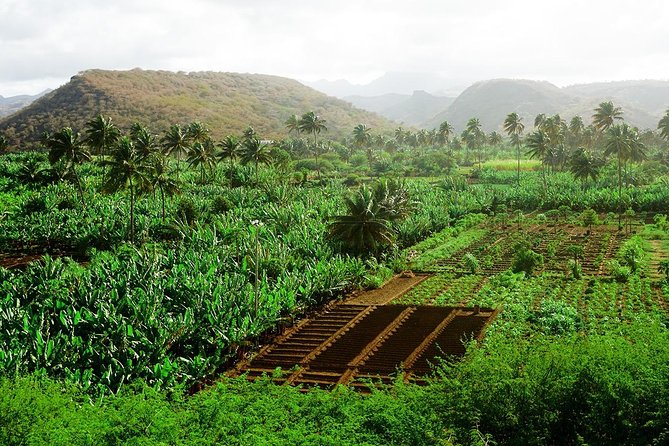
Your morning begins with pickup at your Praia accommodation at about 9 a.m. The drive inland takes roughly 30 minutes, giving you a change of pace from the capital’s streets and a look at the rocky valleys around the island.
Transportation, pickup, drop-off, and guiding are included, so you do not need to arrange separate taxis for the day. That matters in Cape Verde, where getting between smaller communities can take more planning than the map suggests.
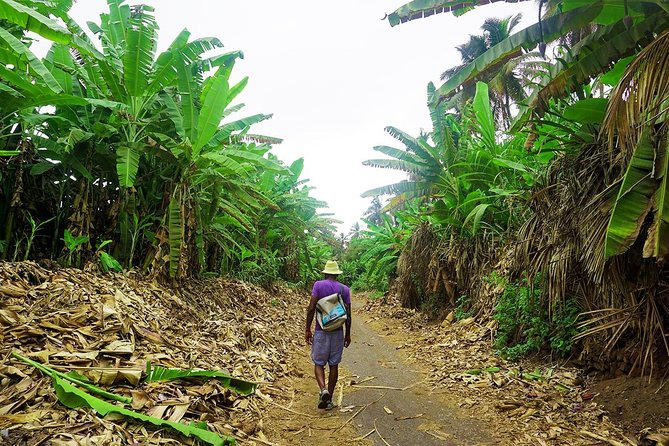
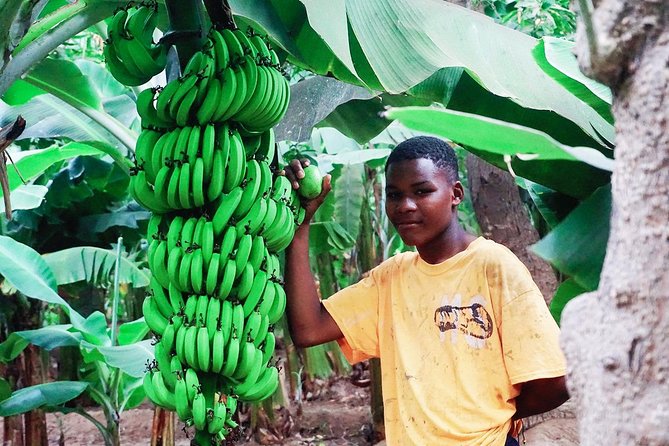
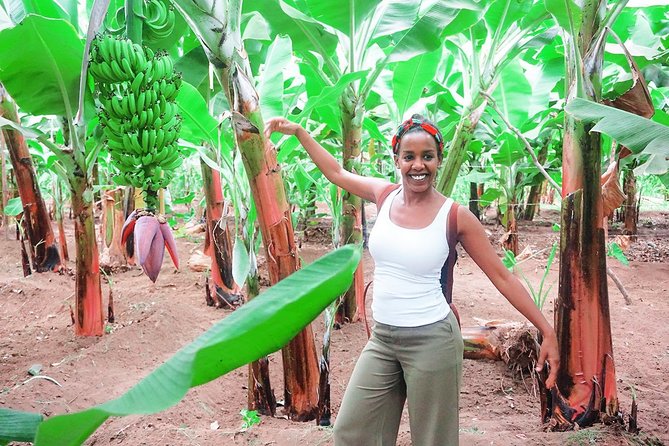
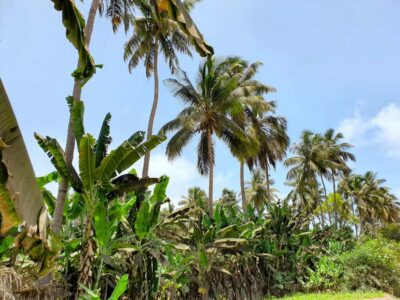
The first proper stop is Santa Cruz, home to the country’s largest banana and coconut plantation. You walk through the agricultural fields with your guide, who explains the different fruit and plant varieties growing there.
This is not just a photo stop. The plantation helps you understand how food reaches Cape Verdean tables and how farming fits into life on Santiago. Bananas and coconuts are familiar crops, but the tour also points out other useful plants and explains their local uses.
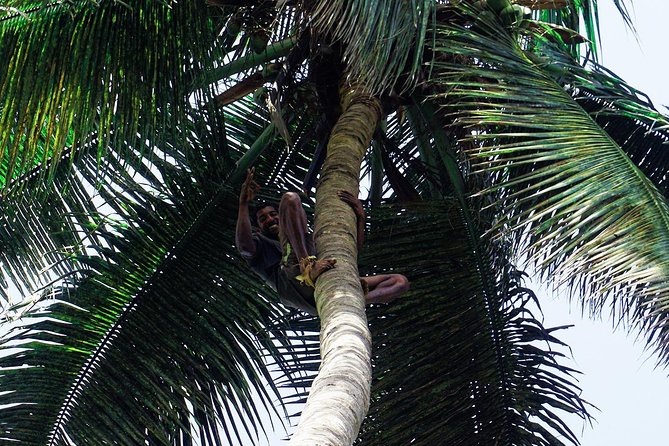
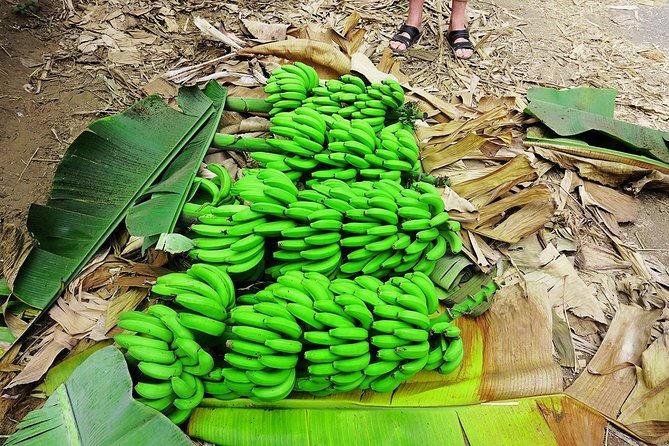
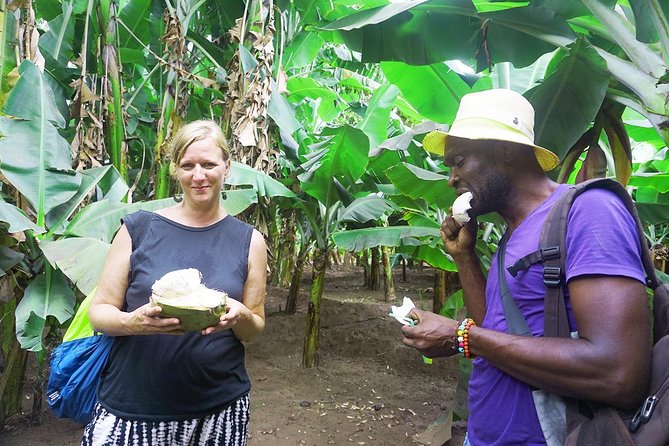
If available, you can buy fresh coconut water and organically grown bananas at your own expense. That small purchase is worth considering. It gives you something fresh to taste while you walk, and it supports the local setting more directly than buying a packaged drink back in Praia.
Keep your expectations sensible. The plantation is an agricultural area, not a staged attraction with elaborate facilities. You may see broad fields and hear about how the plants are used, but a farmer-led discussion is not promised. If farm work interests you most, ask the guide questions and find out how much time is available for that conversation.
The plantation portion lasts about an hour. It is enough time to get a feel for the crops without turning the morning into a long agricultural lecture.
Other Praia days people book alongside this one:
- Santiago: Landscapes, Street Art, and Markets Day Trip
★ 4.8 · 316 reviews - From Port of Praia: Island Tour for Cruise Ship passengers
★ 4.5 · 190 reviews - Praia & Cidade Velha: Guided City Tour
★ 4.8 · 80 reviews
Rum, sugarcane, and the taste of Santiago
The tour also includes a visit to a rum distillery with tastings. Cape Verde’s rum tradition is tied to sugarcane, so this stop adds useful context to the drinks you may see elsewhere on the islands.
You get to taste local rum and enjoy sugarcane products, linking the finished drink to the crop and the work behind it. That is a better way to understand the tradition than simply ordering a glass at a bar.
A breakfast is included, while lunch is not. The morning food may be part of the local welcome, but you should not book this expecting a full midday meal. The tour lasts around four hours, and personal purchases such as coconut water, bananas, and other extras are your responsibility.
If you do not drink alcohol, the plantation, family kitchen, and plant knowledge still provide the main value. The distillery is one part of a wider visit, not the whole reason to go.
A family kitchen in São Lourenço dos Órgãos
The heart of the outing comes in São Lourenço dos Órgãos, also called Orgãos. Here, you meet a local family and take part in a cooking workshop lasting about two hours.
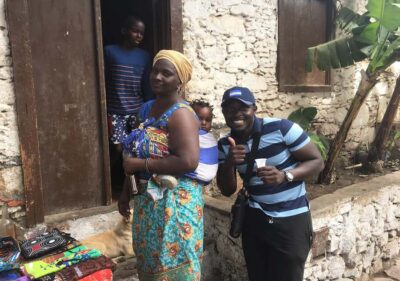
Mama Luisa and her husband, Gustavo, are named hosts for this visit. Their welcome is a major part of the experience. You are not simply served a finished dish and sent on your way. You help prepare local food and learn how these recipes fit into Cape Verdean home life.
The first dish is cuscuz, a traditional cake made from cornmeal. In Cape Verde, cuscuz is not the same as the small steamed grain associated with North African cooking. Here, the cornmeal preparation has its own place in local food culture, and making it yourself gives you a better sense of its texture, ingredients, and role at the table.
You also prepare fidjós, made from banana mixed with wheat. The recipe shows how a few everyday ingredients can become a simple sweet or snack. It is the kind of cooking lesson that works well for curious eaters because it connects the dish to ingredients you have already seen growing in the region.
The kitchen visit is valuable for another reason: it creates time for conversation. A plantation walk can show you crops, but a family meal lets you ask about food, customs, and daily routines in a more personal setting. The welcome from Mama Luisa and Gustavo has been one of the most warmly praised parts of the experience.
Do not expect a formal culinary class with printed recipes, measured stations, or a professional teaching kitchen. The appeal is the home setting and the shared work. You learn by watching, helping, tasting, and asking questions.
The two-hour length is generous compared with many short food stops. It gives the cooking time to feel like the main event rather than a quick demonstration squeezed between bus rides.
Seeing Cape Verde through local transport
One of the more unusual features is the use of public transportation as part of the local experience. The exact transport arrangements can depend on the day, but the purpose is clear: you get a glimpse of how people travel between communities rather than seeing the island only through a private tourist vehicle.
This can make the outing feel more connected to everyday life. You notice the distances between towns, the rhythm of local travel, and the way an ordinary journey fits into the day.
It also means you should allow for some flexibility. Public transport rarely offers the same controlled timing as a private car. The overall activity is listed at approximately four hours, but road and transport conditions can affect the pace.
The tour includes transportation and pickup from your accommodation in Praia, so the public transport element is part of the planned experience rather than something you need to organize alone. Most people can participate, and the activity is near public transportation.
Same archipelago, a completely different island day:
- Serra Malagueta: Principal Valley Hike & Lunch with Locals
★ 4.7 · 64 reviews - Praia: Baobab Mysterious Tree, Green Valley & Old City Hike
★ 4.8 · 53 reviews - Santiago: Calabaceira Valley Trek & Visit to Cidade Velha
★ 4.8 · 49 reviews - From Praia: Boat Trip, Snorkeling, Cave & BBQ on the Beach
★ 4.6 · 45 reviews
A guide who adds context to the road
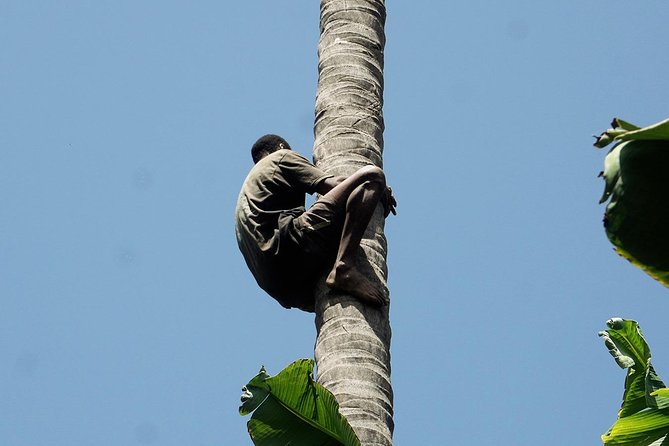
The drive between stops is not dead time. Your guide narrates local history and points out the rocks and valleys along the route back to Praia.
A French-speaking guide has been specifically praised for strong explanations of Cape Verde’s past. If you prefer French, confirm the guide language when booking, since the supplied information does not name the guide or promise French on every departure.
A good guide matters here because the tour covers several subjects in a short morning: farming, plants, rum, food, transport, and local history. You are not visiting a single major monument with signs in several languages. Much of the meaning comes through the person leading you.
The small group helps. With no more than eight people, you can ask about a plant, pause for a translation, or talk through a cooking step without competing with a large busload. Group discounts are offered, which may make the price more attractive for companions booking together.
Is $76.57 a fair price?
At $76.57 per person, this is not the cheapest way to spend a morning near Praia. Its value depends on what you want from the outing.
You are paying for about four hours of transportation, hotel pickup and drop-off, a guide, breakfast, a plantation visit, a distillery stop with tasting, and a hands-on food workshop with a local family. You also avoid piecing together several taxis or trying to arrange a farm visit and cooking session separately.
The strongest value is the combination. A rum tasting alone would be easy to find elsewhere. A drive past fields would not be enough on its own. The family kitchen gives the tour its personal center, while the plantation and distillery provide context for the food and drink.
Lunch is not included, and personal expenses are extra. If you want a substantial meal afterward, plan to eat back in Praia or make other arrangements. Fresh coconut water and bananas may be available for purchase at the plantation, but neither is part of the included price.
The average booking lead time is about 10 days. That does not mean you must book exactly 10 days ahead, but it is a useful sign that you should not leave a small-group activity until the last morning of your trip.
Who will enjoy this tour most?
I would recommend this experience to you if you want contact with local people and prefer participation over passive sightseeing. The family cooking session is especially appealing if you like learning through food, even if you are not an experienced cook.
It also suits visitors who want to see more of Santiago Island beyond Praia. Santa Cruz and São Lourenço dos Órgãos offer a different setting from the capital, and the drive helps you connect the towns rather than treating them as isolated stops.
The tour is a good fit for:
- Couples and families who want a shared food activity
- Small groups interested in local customs
- People who enjoy plants, farming, and traditional ingredients
- Visitors who want a guide to explain Cape Verdean history
- French-speaking visitors who can confirm French guiding in advance
- Anyone comfortable with a flexible local-style outing
It may be less suitable if you want a private, highly polished excursion with a strict schedule. You may also prefer another activity if you want a long plantation tour led by an agricultural expert. The available information points to a general local introduction, not a specialist farming course.
Practical details before you book
Pickup begins at your accommodation in Praia at around 9 a.m. Drop-off is also included at the end of the outing.
The activity accepts mobile tickets, and confirmation is provided at booking. The tour is near public transportation, though the included pickup means you do not need to reach a distant meeting point on your own.
Most people can take part. The group is capped at eight, which is one reason I would book ahead, especially if your schedule in Praia is short.
Free cancellation is available if you cancel at least 24 hours before the start time. Inside that window, the payment is not refunded, and changes are not accepted. The cut-off follows local time.
Wear practical clothes for walking through agricultural fields and choose footwear you can manage on uneven ground. The supplied details do not specify a dress code or special equipment, so keep your preparation simple and comfortable.
The final call: book it for the kitchen, not just the plantation
You should book this tour if the idea of cooking cuscuz and fidjós with Mama Luisa and Gustavo sounds more appealing than checking off another formal attraction. The plantation, rum tasting, local transport, and road commentary make the day varied, but the family welcome is the part that gives it character.
I would book it for the personal food experience and small group, while keeping expectations measured about the plantation. You may not speak with a farmer directly, and lunch is not included. For an authentic half-day introduction to food, farming, and local life around Praia, the price is reasonable, particularly when pickup and transportation are included.
FAQ
Where does the tour begin?
The tour begins with pickup from your accommodation in Praia at approximately 9 a.m.
How long does the experience last?
The experience lasts about four hours, including the drives between Praia, Santa Cruz, São Lourenço dos Órgãos, and Praia.
What is included in the price?
Pickup and drop-off, transportation, guiding, breakfast, and the cuscuz and fidjós cooking workshop are included.
Is lunch included?
No. Lunch is not included, and personal expenses are also separate.
How many people can join the tour?
The maximum group size is eight people.
What will I see at the plantation?
You will walk through the largest banana and coconut plantation in Cape Verde while learning about fruit and plant varieties. Fresh coconut water and local bananas may be available for purchase if conditions allow.
What food will I prepare?
You will learn to prepare cuscuz, a traditional cornmeal cake, and fidjós, made with banana and wheat.
Is rum tasting part of the tour?
Yes. The experience includes a visit to a rum distillery, rum tastings, and sugarcane products.
What is the cancellation policy?
You can cancel at least 24 hours before the start time for a full refund. Cancellations or changes made less than 24 hours before the start time are not accepted for a refund.
Just added around Praia
- Hiking Águas Belas Cave★ 4.5 · 3 reviews
- Tour Old City/Discover Old Town★ 4.0 · 8 reviews
- Santiago Island: 4-Hour Calabaceira Valley Hike & Guided Tour to Cidade Velha★ 5.0 · 18 reviews
- Santiago Island: Private Airport Transfer to Praia or Vice Versa★ 5.0 · 3 reviews
- Tarrafal Beach Tour: Boat Trip to the Lighthouse, Snorkel & BBQ Lunch★ 5.0 · 5 reviews
- Best of Santiago Island: Cidade Velha, Workshop & Tarrafal Beach Tour★ 4.5 · 3 reviews
- Private Tour of Santiago – Discover the Island★ 4.5 · 18 reviews
- Santiago Island: Banana Plantation, Natural Park & Workshop with a local family★ 5.0 · 10 reviews
Santiago Island Tours, compared.
Santiago Island Tour with Tastings and Tarrafal Beach
Read our review →
From Port of Praia: Island Tour for Cruise Ship passengers
Read our review →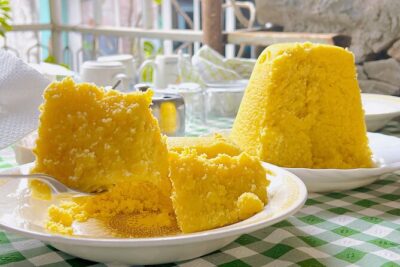
Santiago Island Tour: Meet with a Local Family & Tarrafal Beach
Read our review →
Island tour with German-speaking guide for cruise guests
Read our review →
Browse the lists this tour appears in