
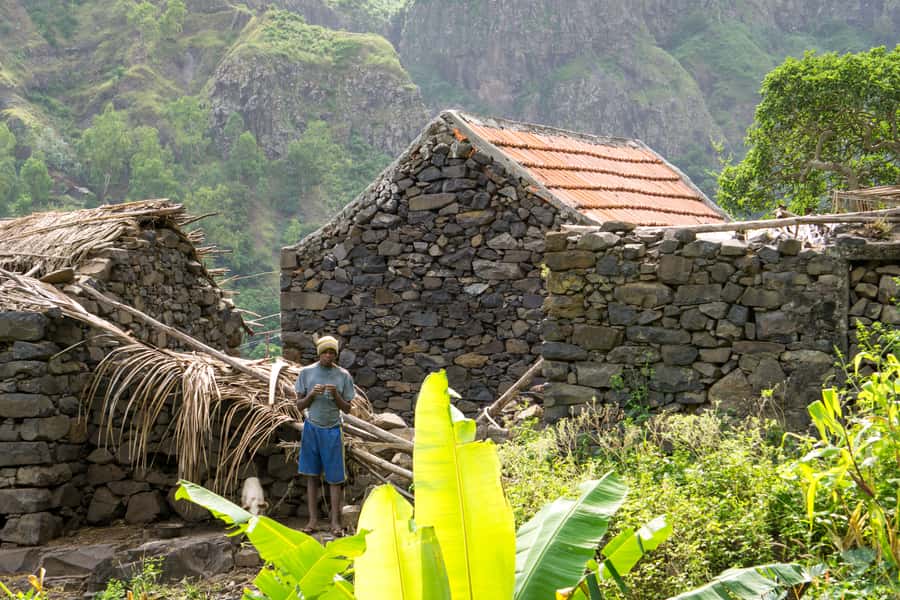
Reviewed · HIKING & TREKKING
Ribeira Grande: Hiking Day Trip to Ribeira de Torre
Ribeira de Torre gives you the best kind of Santo Antão day: a high mountain start, a rural footpath, village life, terraces, a waterfall, and a swim before rum enters the picture. I like the way this trip links scenery with everyday agriculture, rather than treating the valley as a postcard viewed from a bus.
I also like the chance to speak with local people in villages such as Chu Chu, plus the visit to a grogue distillery. The main caution is the trail itself: steep mountain paths, high starting terrain, and exposed sections make this a poor fit for anyone with limited mobility or a fear of heights.
In This Review
- Key points at a glance
- Why Ribeira de Torre makes a fine hiking day
- From Faja da Cima to Rabo Curto
- Crossing the hills toward Lombo de Pedra
- Chu Chu and the Ribeira Grande views
- The waterfall and natural pool
- The descent through bananas and coffee
- Grogue: a fitting final stop
- Is the $100 price fair?
- Who should book this hike?
- Practical preparation for the six-hour outing
- Should you book Ribeira de Torre?
- FAQ
- How long does the Ribeira de Torre day trip last?
- Where does pickup take place?
- What languages are available for the guide?
- Is swimming required at the natural pool?
- Can children join the hike?
- When is grogue produced?
Key points at a glance
- Start at 1,480 meters in Faja da Cima: The drive from Ribeira Grande puts you high above the valley before the walking begins.
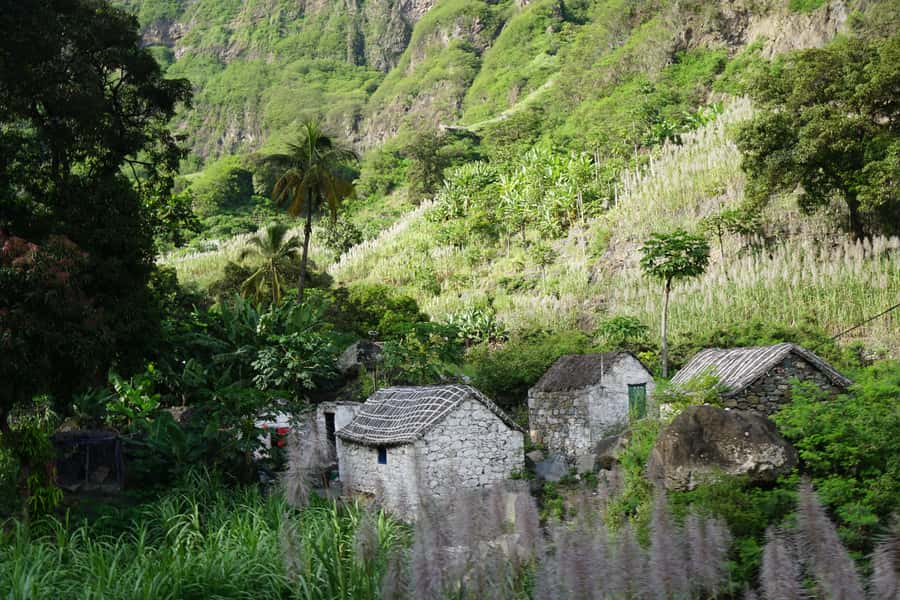
- Walk through working farmland: Sugar cane, bananas, coffee, fruit trees, terraces, and small homes shape the route.
- Stop at Chu Chu, also called Xoxo: This village brings wide views over the Ribeira Grande valley and contact with local life.
- Swim by a mountain waterfall: A natural pool offers a cool break, though swimming is optional.
- Finish with Santo Antão’s grogue: The local rum distillery adds useful agricultural and cultural context.
- Choose your language and group size: Guides are available in English, French, Spanish, or Portuguese, with private and small-group options.
Why Ribeira de Torre makes a fine hiking day
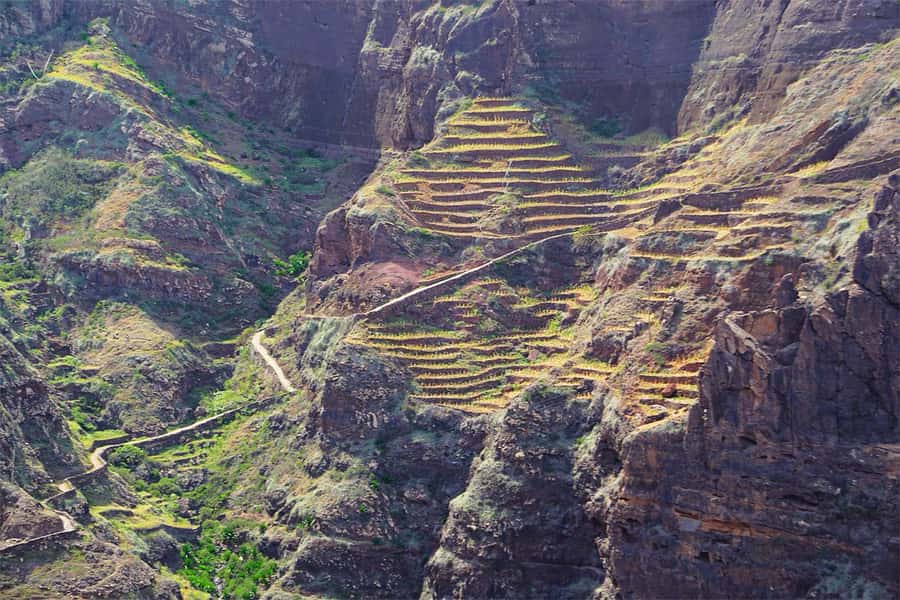
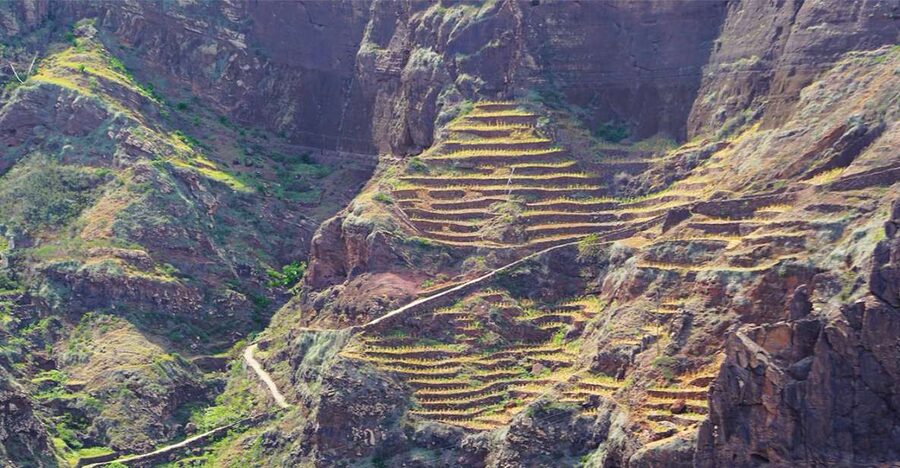
Santo Antão is known for sharp mountain valleys and farm terraces that seem to cling to every usable slope. Ribeira de Torre lets you see that pattern close up. You are not simply driven to a viewpoint, handed a few minutes for photos, and taken away. The route carries you past houses, crops, villages, and water.
The six-hour schedule includes transport and a roughly four-hour nature hike. That is a useful balance. You get enough walking to feel the valley under your boots, but you do not spend the whole day on a trail with no time for the other stops.
The trip begins with pickup at your accommodation in Ribeira Grande. You should be ready in the hotel lobby 10 minutes before the agreed time. From there, the road climbs to Faja da Cima, at about 1,480 meters. Starting high changes the feel of the day. You begin among upper slopes and then work your way through the valley system, rather than tackling the full climb from sea level.
A few more Cape Verde trips to weigh up
- Fogo Island: Pico do Fogo Volcano Summit Hike
★ 4.6 · 92 reviews - Santo Antão: Day Trip by Car or Trek
★ 5.0 · 72 reviews - Serra Malagueta: Principal Valley Hike & Lunch with Locals
★ 4.7 · 64 reviews
From Faja da Cima to Rabo Curto
The first walking section heads uphill toward Rabo Curto through natural vegetation. The route then continues toward Lombo de Pedra, with cultivated terraces and small homes along the way. These are not decorative garden plots. Farming is part of the valley’s daily economy, and the terraces explain how people make use of steep ground.
You will want shoes with a firm sole here. The packing advice calls for hiking shoes, comfortable clothing, sunscreen, a hat, and plenty of water. That sounds basic, but it matters on a route with slopes and exposed mountain sections. Do not treat this as a casual stroll in town.
The upper part of the walk is also where the views begin to open. You can expect layered fields, ridges, unusual rock shapes, and scattered houses. The exact conditions will change with weather and season, but the appeal is steady: the valley looks built by both geology and patient farm work.
A guide adds value here by explaining what you are seeing. One verified outing was led by João, who was praised for the scenery and for chatting with local people. You should still ask questions as you go. A separate French-language account specifically noted the useful information about the country, local plants, and wildlife, and encouraged people to ask the guide questions.
Crossing the hills toward Lombo de Pedra
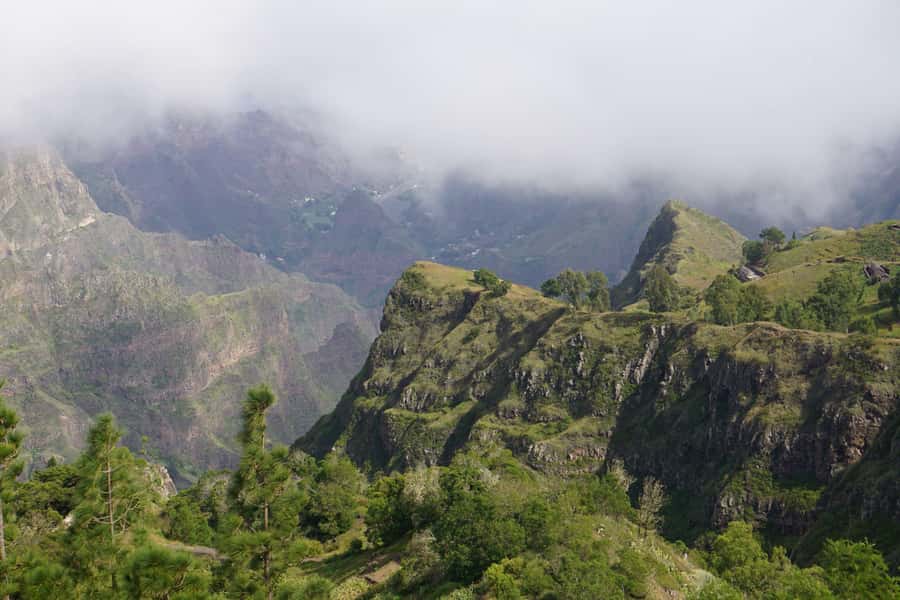
The route crosses hills on its way toward the Ribeira de Torre valley. This section is less about one single sight and more about the changing view. Small houses give way to broader terraces, then the valley opens below you. The unusual rock formations add shape to the scene, while the cultivated slopes show why Santo Antão feels so different from a dry beach destination.
This is also the part where people who dislike heights should think carefully. The tour is not recommended for anyone afraid of heights, and that warning should be taken seriously. The route moves through mountain terrain, not a flat paved path. People with mobility impairments and wheelchair users should choose another activity, and children under 12 are not permitted.
For fit walkers who are comfortable on mountain paths, the setting is the reward. I like that the route includes working villages and farms instead of keeping you on a marked scenic loop designed only for quick photographs. You get a clearer sense of how food is grown and how homes fit into the slopes.
Chu Chu and the Ribeira Grande views
Chu Chu, also known as Xoxo, is one of the memorable points on the route. From here, you can look across the Ribeira Grande valley and see the full sweep of the mountain setting. The view is a good reason to have your camera ready, but do not rush through the village to reach the next stop.
The social side of the outing matters. The experience includes contact with local people, and João’s outing was especially appreciated for that element. You are not promised a staged performance or a formal village presentation. Instead, the value comes from walking through a lived-in place and having a guide help you understand what you encounter.
That approach suits Santo Antão. The island’s appeal is not limited to mountain scenery. It is also in the relationship between crops, water, paths, and settlements. A good guide can connect those pieces in a way that a solo walk might miss.
Same archipelago, a completely different island day:
- Sal: Island Experience Tour with a Certified Local Guide
★ 4.8 · 3,249 reviews - Sal: All-Inclusive Salt Lake, Blue Eye and Shark Bay Tour
★ 4.7 · 2,033 reviews - Experience on Sal Island with native and certified guide (including sharks)
★ 5.0 · 1,166 reviews - From Sal Island: Blu eye, Salt lake, Lemon Sharks & Palmeira
★ 4.6 · 1,003 reviews
The waterfall and natural pool
The route passes close to a mountain waterfall before reaching a natural swimming pool. This is the day’s most welcome change of pace. After hours on a mountain trail, a cool swim can turn a scenic hike into a memorable one.
Swimming is optional, so you are not forced into the water. Bring what you need for comfort, but remember that food and drinks are not included. Water is specifically recommended, and you should carry enough for the hike rather than assume refreshments will appear along the way.
The pool is a natural feature, not a managed swimming complex. Conditions may vary, and you should follow the guide’s advice before getting in. If you prefer to stay dry, the waterfall and surrounding valley still provide a worthwhile stop and a chance to rest.
The swim also helps break up the walking. Four hours on a steep route can feel long if every minute is spent moving. A pause beside running water gives the day a more relaxed rhythm.
The descent through bananas and coffee
The return route takes you down past banana and coffee plantations. This descent changes your view again. Instead of looking across upper slopes, you begin to see how crops occupy the lower and more sheltered parts of the valley.
Bananas, coffee, sugar cane, and fruit trees are not incidental scenery here. They are part of the reason this valley is worth visiting with a guide. You can see how agriculture follows water and altitude, and how terraces turn difficult ground into productive ground.
A downhill route is not automatically easy. Uneven surfaces can be harder on knees than an ascent, and tired legs make careful footing more important. Keep your pace sensible, use the time to look around, and do not let the promise of the final distillery make you hurry.
Grogue: a fitting final stop
The final stop is a local rum distillery producing grogue. This gives the day a strong finish because the drink connects directly to the sugar cane you have seen along the route. You are not just being offered a random tasting after a hike. You are seeing one way local crops become a well-known Cape Verdean spirit.
Timing matters. The stated rum production season runs from January 1 through May 31. If you visit outside those dates, the distillery stop may not show active production. The tour still includes the visit, but anyone particularly interested in the making of grogue should plan around the production season.
Food and drinks are not included in the $100 price, so budget separately for anything you want during the day. The available information does not promise a meal or a tasting, so you should regard the distillery visit as a cultural stop rather than assume a full food-and-drink experience.
Is the $100 price fair?
At $100 per person, this is not the cheapest way to spend six hours in Santo Antão. The value depends on how much help you want. The price includes pickup and drop-off in Ribeira Grande, a guide, the four-hour hike, and liability insurance. You also get a route that combines several experiences that would be awkward to arrange independently in one day.
Transport is important here. The trailhead sits at 1,480 meters in Faja da Cima, and the route includes several villages, a waterfall, a pool, plantations, and a distillery. Organizing that sequence on your own would require transport planning and a strong sense of the local paths.
The price makes more sense if you choose a private or small group. You will have more room to ask about crops, wildlife, plants, and village life, and the guide can better match the group’s pace. Larger groups may offer less flexibility, though the available information does not specify a standard group size.
The strongest value is the combination of scenery and explanation. If you only want a mountain walk and can arrange transport, a guided day may feel expensive. If you want the logistics handled and want context along the way, $100 is a reasonable price for a full half-day outing with transfers.
Who should book this hike?
This trip suits adults and older teenagers who are comfortable walking on mountain routes. It is especially good for you if you want to see rural Santo Antão, learn about agriculture, and meet local people rather than spend the day at a single lookout.
It is also a good match for photographers. The route offers terraces, small houses, rock formations, valley views, a waterfall, plantations, and village scenes. Carry your camera carefully, though, and keep your attention on the path in exposed sections.
You should choose another activity if you have a mobility impairment, use a wheelchair, are under 12, or feel uneasy around heights. The tour description is clear on these limits. This is a genuine hike with slopes, not an easy sightseeing drive with short walks.
Language should be easy to arrange. Live guiding is available in English, French, Spanish, and Portuguese. If you have a strong interest in plants, wildlife, farming, or grogue, mention that when booking so you can make the most of the guide’s time.
Practical preparation for the six-hour outing
Wear hiking shoes, not smooth casual trainers. Comfortable clothes, a hat, sunscreen, and water belong in your day bag. The route moves between high slopes, villages, farms, and a pool, so practical clothing will serve you better than anything stylish but fragile.
Pack light, but protect valuables from water if you plan to swim. Since food and drinks are excluded, bring or arrange anything you need for the day within the tour’s rules. Do not count on buying lunch along the route.
The cancellation terms are useful if mountain weather or your schedule changes: you can cancel up to 24 hours before departure for a full refund. You can also reserve now and pay later, which helps if you are still arranging your Santo Antão plans.
The overall rating is 4.9 from four ratings, with praise focused on the guide, local conversations, scenery, and information about the country, plants, and wildlife. One 2022 rating simply called it a nice tour, which is less detailed but still points to a sound overall experience. The small number of ratings means you should treat the score as encouraging rather than conclusive.
Should you book Ribeira de Torre?
Book it if you want a guided rural hike with real variety: high mountain paths, terraces, villages, a waterfall, a natural pool, plantations, and grogue. The experience earns its price through the combination of transport, guiding, and access to places that are hard to tie together without local help.
Skip it if you want a flat walk, a family outing for young children, or a day built around food and drink. The route demands proper shoes, water, and confidence on mountain terrain.
For the best fit, choose a small or private group, go during the January to May grogue production period if the distillery interests you, and ask questions along the way. That is how you turn a pretty hike into a fuller look at life in Santo Antão.
FAQ
How long does the Ribeira de Torre day trip last?
The full activity lasts six hours, including transport, the guided hike, and the stops along the route. The nature hike itself lasts about four hours.
Where does pickup take place?
Pickup and drop-off are provided at your accommodation in Ribeira Grande. You should wait in the hotel lobby 10 minutes before the scheduled pickup time.
What languages are available for the guide?
Guiding is available in English, French, Portuguese, and Spanish.
Is swimming required at the natural pool?
No. You have the option to swim in the natural pool near the waterfall.
Can children join the hike?
Children under 12 are not suitable for this activity.
When is grogue produced?
The stated rum production season runs from January 1 through May 31.
Just added around Cape Verde
- Island tour & cattle & Taste local flavors★ 5.0 · 3 reviews
- Watch Sea Turtles Nesting – Night Tour in Sal Island★ 4.1 · 14 reviews
- Whale watching tour SEASONAL★ 4.1 · 3 reviews
- Volunteering with animals in Sao Vicente!★ 5.0 · 9 reviews
- Turtle watching in Boa Vista Island★ 4.8 · 5 reviews
- São Vicente: Half day, Beaches, Villages, Monte Verde★ 5.0 · 5 reviews
- Hike Monte Verde, Natural Park, São Vicente, 3h +/- (roundtrip)★ 4.5 · 4 reviews
- Sunset Hike to Lighthouse, Dona Amélia, São Vicente, 2h★ 5.0 · 8 reviews
Hiking & Trekking, compared.
Serra Malagueta: Principal Valley Hike & Lunch with Locals
Read our review →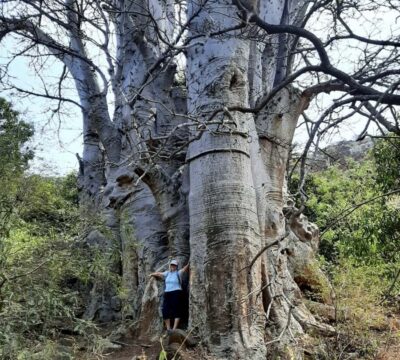
Baobab Mysterious Tree, Green Valley & Old City Hike
Read our review →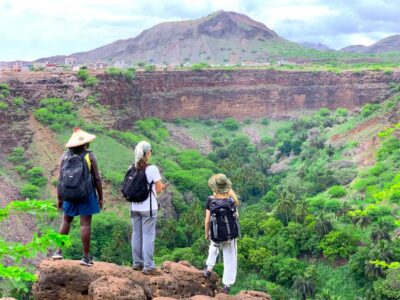
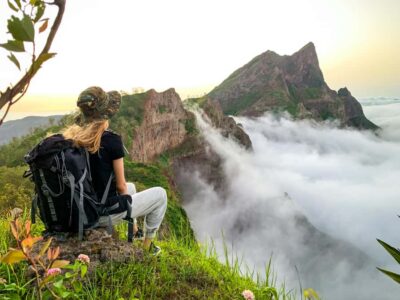
Monte Tchota Natural Park to Pico d’Antónia Hike
Read our review →
Browse the lists this tour appears in