
Reviewed · CAPE VERDE TURTLE WATCHING
Watch Sea Turtles Nesting – Night Tour in Sal Island
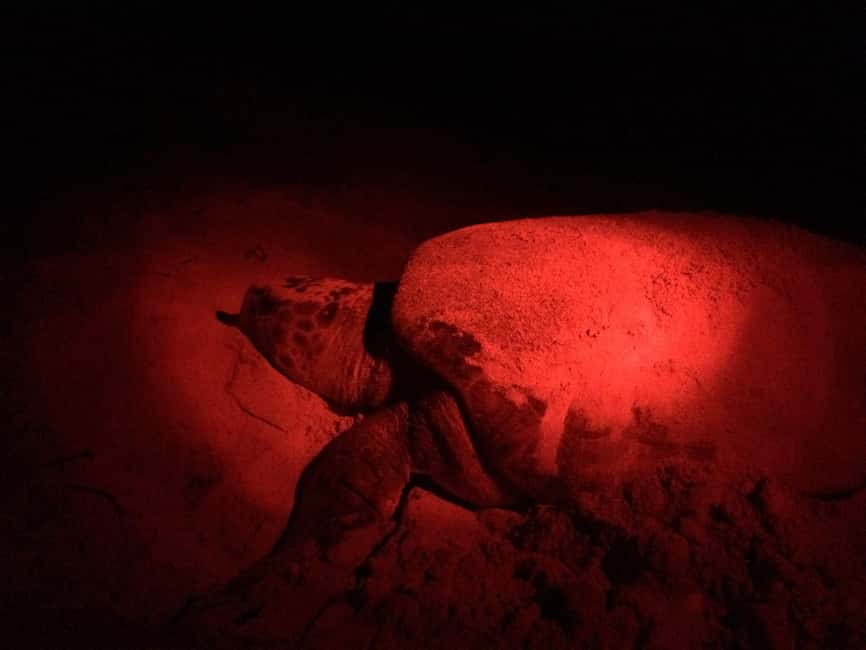
Sal’s beach goes quiet after dark, and that is when the main event begins. On this night tour, you may watch an endangered loggerhead turtle crawl from the sea, dig a nest, lay her eggs, cover them, and return to the water. It is slow, hushed, and far more moving than a quick wildlife photo stop.
I like two things here. The turtle-first rules are serious, with no flash, bright clothing, strong scents, touching, or loud behavior. I also like the use of local guides and infrared lights, which let you see the action without shining harsh light into the turtle’s eyes.
The main drawback is timing. The advertised visit lasts two to three hours, but some outings have been much shorter, with one guest picked up at 8:30 p.m. and back at the hotel by 10 p.m. A late pickup has also occurred, so build in patience and accept that nature, transport, and turtle activity do not run like a clock.
In This Review
- Key points to know before you book
- Why Sal is such an important turtle stop
- From Santa Maria to the protected beach
- The briefing before the turtles appear
- Watching a loggerhead build her nest
- The chance of hatchlings in September and October
- How long the evening really lasts
- What to wear and carry on the sand
- Group, private, and deluxe choices
- Who will enjoy this night tour most
- How the conservation rules add value
- Booking details worth checking
- Should you book the Sal Island turtle tour?
- FAQ
- Where does the turtle night tour take place?
- How much does the shared tour cost?
- How long does the experience last?
- Are hotel transfers included?
- What languages are available?
- Can I see baby turtles?
- What should I wear and bring?
Key points to know before you book
- Nearly 100 percent sighting success: The tour reports almost continuous turtle sightings across the past five nesting seasons, though no wildlife encounter is guaranteed.
- Protected beaches near Santa Maria: The evening may take you to Algodeiro, Kite Beach, or Serra Negra, depending on conditions and nesting activity.
- A quiet, ethical viewing method: Red or infrared lights are used, while flash photography, phones used as flashlights, and interference are forbidden.
- A short lesson before the walk: Your multilingual local guide explains loggerhead biology, nesting behavior, and conservation work before you approach the shore.
- Several ways to go: You can choose a shared small-group outing, a private vehicle, or a deluxe private setup with a glamping tent and optional extras.
- Hatchlings are seasonal: Tiny turtles are mainly seen in September and October, and they are not the central focus of every night tour.
Why Sal is such an important turtle stop
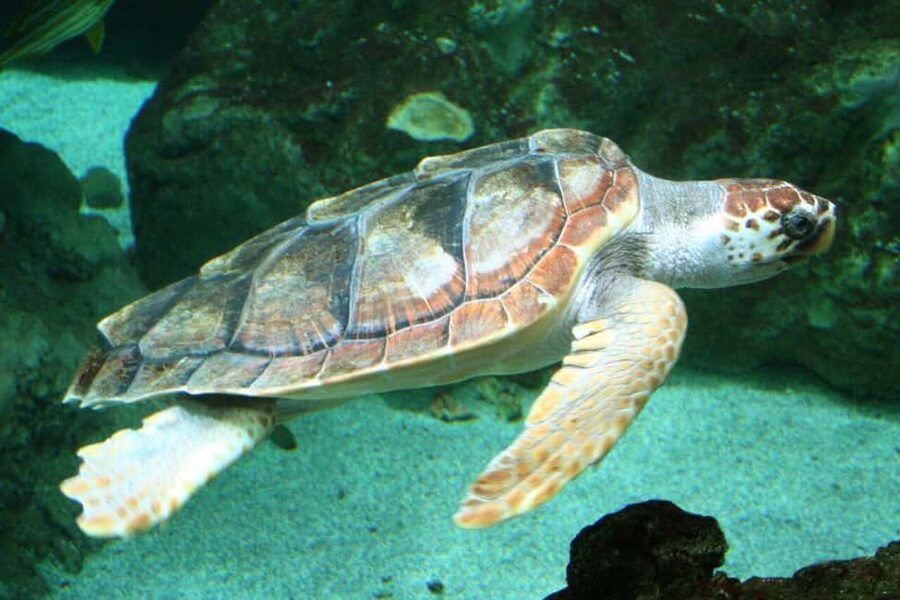
Cape Verde is the world’s third-largest loggerhead turtle reserve, after the United States and Oman. Sal’s open beaches are part of an important nesting area for Caretta caretta, the loggerhead sea turtle.
That fact gives this outing more weight than a standard evening excursion. You are not simply watching an unusual animal. You are entering a protected setting during one of the most exposed moments in its life cycle.
Female turtles come ashore at night because darkness offers some cover from predators and heat. The turtle must still cross open sand, choose a place to nest, dig with her rear flippers, and cover the eggs before heading back to the ocean. Your job is to stay still, stay quiet, and let her work.
I find the patience part valuable. You may spend time waiting before anything happens. That wait is not wasted. It gives you a sense of how different wildlife viewing is from a staged show, and it protects the turtle from pressure at the same time.
More Cape Verde Turtle Watching in Sal Island
- Santa Maria: Sal Island Sea Turtle Watching Experience
★ 4.5 · 256 reviews - Santa Maria: Sea Turtle Watching Experience on Sal Island
★ 4.0 · 9 reviews - Santa Maria: Sea Turtle Watching Experience on Sal Island
★ 4.6 · 446 reviews
From Santa Maria to the protected beach
The tour begins with hotel pickup in Santa Maria. The transfer is included for hotels in town, and child and infant seats can be requested. If you are staying in Murdeira Village, a transfer may be available for an added cost, so check that point before paying.
The drive to the beach is short, but the exact destination can vary. Possible sites include Algodeiro, Kite Beach, and Serra Negra. This flexibility is useful because the guides can work with current nesting activity and beach protection needs rather than sending every group to one fixed location.
The pickup time is usually in the evening, with the activity commonly planned around an 8 p.m. start. Allow extra room in your schedule. One outing began 40 minutes late because of pickup problems, and transport delays can cut into the time you spend at the beach.
That does not necessarily ruin the experience, but it matters if you have a dinner booking or an early morning trip the next day. I would keep the rest of your evening open and confirm the pickup details with the operator.
The briefing before the turtles appear
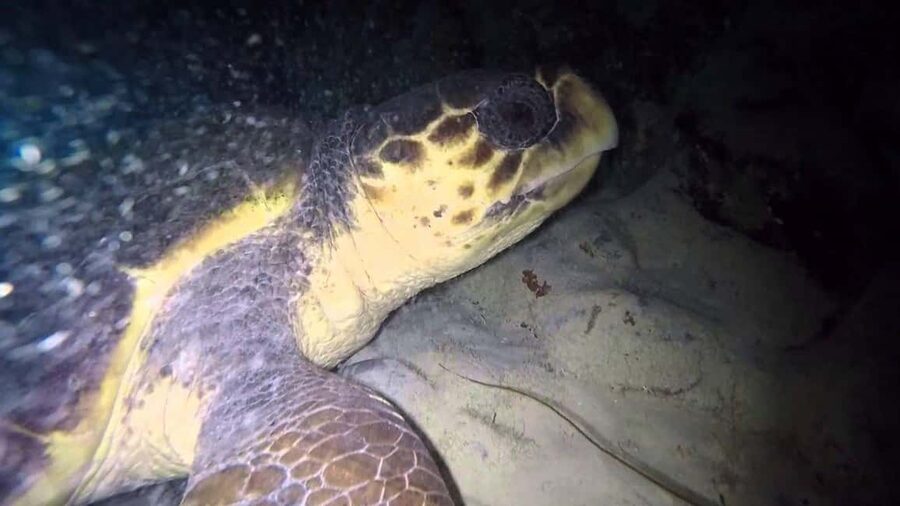
Once you reach the protected beach, a local guide gives a short introduction. English and Portuguese are guaranteed, while French, Italian, and Spanish may also be available.
The briefing covers the turtle’s life cycle, nesting behavior, and the conservation work carried out on Sal. This is not filler. It explains why the group must remain calm and why ordinary habits, such as spraying insect repellent or using a phone flashlight, can cause trouble.
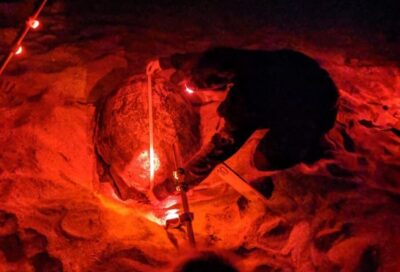
You will also learn how the observation works. The guide may ask you to wait in a quiet area until a turtle has reached a suitable point on the beach. The group then approaches carefully, using red or infrared light.
The tour description lists small groups, which should make it easier to hear instructions and avoid crowding the animal. A private option gives your party its own vehicle and guide, along with more control over the pace. It does not give you permission to get closer or behave less carefully. The turtle’s welfare comes first in every format.
Watching a loggerhead build her nest
The most powerful part begins when a female turtle leaves the sea. You might first see a dark shape moving across the sand, then the slow sweep of her flippers as she searches for a nesting place.
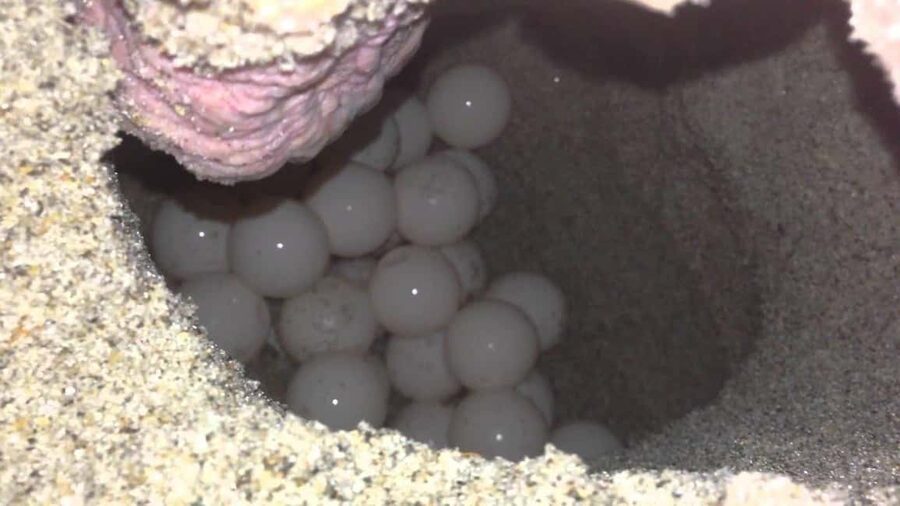
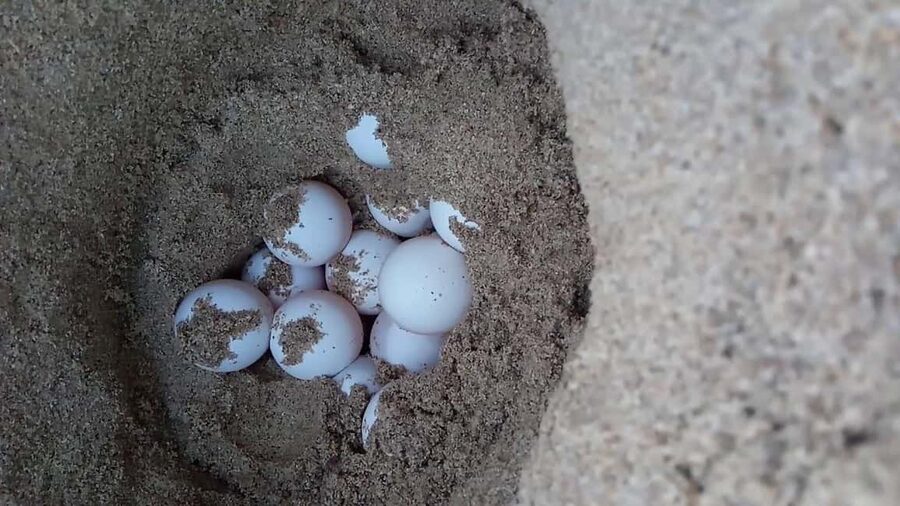
If the conditions are right, you can watch the full process. She digs a chamber with her rear flippers, lays her eggs, and then pulls sand over the nest. The covering takes time and can look almost repetitive, but it is essential. Once she is satisfied, she makes her way back to the ocean.
Do not expect a close encounter in the usual sense. Touching the turtle is forbidden, and the guides should keep the group at a respectful distance. Infrared lights help you see without the harsh glare that could make the animal abandon the attempt.
This is also why flash photography is banned. A bright burst can disorient or alarm a nesting turtle. Strong perfume, deodorant, scented lotion, and some sprays are also prohibited because the animals are sensitive to unfamiliar smells.
You may witness a false crawl, when a turtle comes ashore but returns without laying eggs. That can happen for several reasons, including an unsuitable nesting spot or disturbance. It may feel like a missed opportunity, but it is still part of the animal’s natural behavior.
More cape verde turtle watching in Santa Maria Cape Verde:
- Boa Vista: Shark, Turtles, Cave, Sandboarding & Tasting Tour
★ 4.8 · 328 reviews - From Mindelo: São Vicente’s Enchanting Sea Turtle Snorkeling
★ 4.4 · 153 reviews - São Vicente: Snorkel with Sea Turtles Adventure
★ 4.5 · 111 reviews - Boa Vista: Beautiful Beaches, Turtles & Djeu Island Snorkel
★ 4.6 · 100 reviews
The chance of hatchlings in September and October
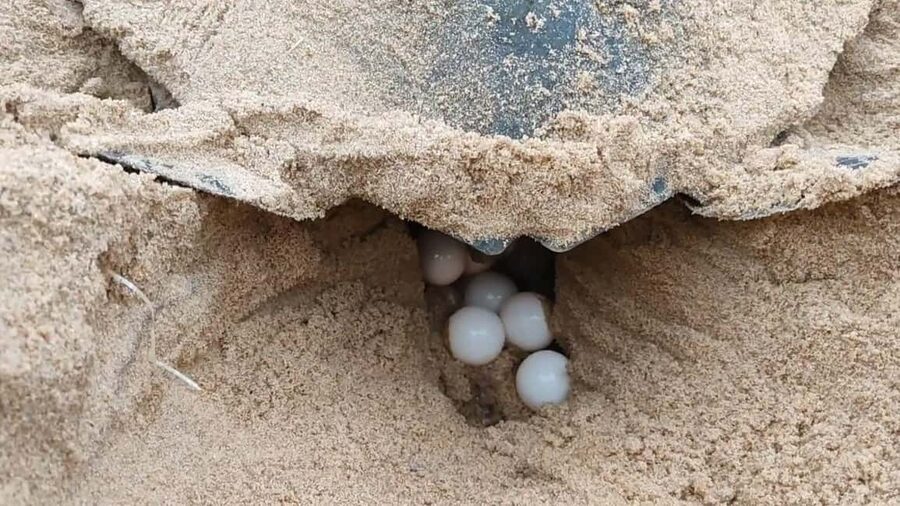
The main outing focuses on nesting adults, not baby turtles. Still, tiny hatchlings may be seen, mainly in September and October, as they leave their nests and head toward the sea.
This is a rare bonus, not something you should count on for a specific date. The same applies to seeing every stage of nesting. The tour reports nearly 100 percent turtle sighting success over the past five nesting seasons, which is encouraging, but wildlife remains unpredictable.
If you are especially interested in hatchlings, ask about the separate baby turtle observation tour. An optional turtle adoption is available by donation to conservation projects, with the stated donation listed as €10 per person. That is a separate activity, so do not assume it is included in the standard night tour.
How long the evening really lasts
The planned duration is about two to three hours, including hotel pickup, the drive, the briefing, the beach wait, and the return transfer. In practice, the time can be shorter.
One reported schedule ran from an 8:30 p.m. pickup to a 10 p.m. hotel return, leaving roughly an hour at the beach. Another issue has been a delayed pickup, which shows why you should treat the timing as an estimate rather than a promise.
The length may also depend on what happens that night. If a turtle appears quickly, the viewing may be focused and brief. If the group waits longer, the outing can stretch toward the full planned duration.
I would not book this tour because you need an exact three-hour program. Book it because you want a chance to see a wild animal on its own schedule. That distinction will help you enjoy the experience instead of watching your phone for the time.
What to wear and carry on the sand
The practical advice is simple, but it matters. Wear dark, comfortable clothing and sturdy closed-toe shoes. Sand is uneven, and the activity involves walking and standing near the beach rather than sitting in a polished viewing area.
Bring a light jacket or cardigan. Evenings can feel cool, especially when you are waiting quietly by the water.
Mosquitoes are a real nuisance. One guest specifically advised covering arms and legs because the beach can be heavily affected by mosquitoes. Use scent-free, biodegradable repellent before the activity, but pay attention to the operator’s rules. The information supplied for this tour lists insect repellent among prohibited items while also advising biodegradable or scent-free repellent, so ask the guide how and where to apply it. Do not spray near turtles, nests, or the group.
Leave bright colors, reflective clothing, strong fragrances, aerosols, and unnecessary belongings behind. Smoking, alcohol, drugs, pets, drones, littering, feeding animals, and touching marine life are not allowed.
A phone may be useful, but do not treat it as a camera-first excursion. Flash photography and ordinary flashlight use are prohibited. If you want a professional photo service or a video souvenir, those may be arranged as optional extras, with the nesting video listed for private tours at additional cost.
Group, private, and deluxe choices
The shared tour is the sensible choice for most people. You get hotel pickup and return in Santa Maria, a professional multilingual guide, the conservation briefing, infrared lights, insurance, and a small-group setting for $46 per person.
That price is fair if you value the guide, transport, and conservation-minded access. Going alone to a nesting beach would not give you the same information or protection, and approaching without proper rules could harm the animals.
A private tour costs more, but it can suit families, couples, or anyone who wants a vehicle and guide reserved for their own group. The service is more flexible, and soft drinks, snacks, and a video souvenir may be added at extra cost. Confirm exactly what is included in your chosen private package before booking, since these extras are not part of the basic shared price.
The deluxe version adds a glamping tent and snacks, depending on the package selected. I would choose it only if the setting and comfort matter as much to you as the turtles. The animal encounter itself still depends on the same beach conditions and natural behavior.
Who will enjoy this night tour most
This experience suits adults and children who can remain quiet and patient. It is listed as suitable for all ages, and child and infant seats are available on request for the transfer.
It is less suitable for anyone with a mobility impairment or anyone who uses a wheelchair. The outing involves walking on sand and standing outdoors at night. The operator also says it is not suitable for wheelchair users.
Families should prepare children before leaving the hotel. Explain that they cannot touch the turtle, shout, use a flash, or wander near nests. A child who understands the rules can find the waiting and watching fascinating. A child who needs constant activity may struggle.
It also suits photographers only if you can accept strict limits. You cannot use flash, and a professional photographer is optional rather than part of the standard tour. This is a wildlife encounter first and a photo opportunity second.
How the conservation rules add value
The rules may feel strict at first, especially the ban on perfume, bright clothes, flashlights, and sprays. They make sense once you understand how exposed a nesting turtle is.
A female may abandon her crawl if disturbed. A flash can startle her. Strong smells and noisy groups can interfere with natural behavior. Keeping people away from nests also reduces the chance of trampling eggs beneath the sand.
The tour connects your evening to local conservation and education work. Your booking supports projects that protect turtles and their nesting environment, so the fee does more than cover a transfer and a guide.
That does not mean every part of the outing will be perfect. Transport can run late, the beach time may be shorter than planned, and mosquitoes can be fierce. Still, the careful viewing method and local conservation focus are the strongest reasons to choose this experience over an informal beach visit.
Booking details worth checking
The tour operates every day during the nesting season, including Sundays and public holidays. That gives you useful flexibility if you are fitting it around a beach day or another Sal excursion.
You can reserve now and pay later, which helps if your schedule is still changing. Cancellation is allowed up to 24 hours before the tour for a full refund.
The stated rating is 4.1 from 14 reviews, so I would read that as a generally positive but not flawless record. The highest praise centers on the beauty of seeing a turtle lay eggs and the respectful way the guides handle the animals. The clearest concerns involve late pickup and a shorter-than-expected visit.
Those points fit together. The wildlife encounter can be excellent, while the transport and duration may need better communication. Ask for the expected pickup time, likely beach location, exact package inclusions, and whether snacks or video cost extra.
Should you book the Sal Island turtle tour?
Book it if seeing a wild loggerhead turtle matters more to you than having a perfectly timed evening. The chance to watch the complete nesting process, under stars and with non-intrusive lighting, is special. The local guides, conservation briefing, and small groups make the $46 price reasonable for most visitors staying in Santa Maria.
Choose the private or deluxe option if you want a dedicated vehicle, more personal service, snacks, a glamping setup, or a video souvenir. Choose the shared trip if value is your priority.
Skip it if you need wheelchair access, dislike walking on sand, cannot tolerate mosquitoes, or will be upset by waiting and uncertain timing. For everyone else, bring dark clothes, sturdy shoes, patience, and a scent-free approach. The turtle is the host here, and you are there to watch quietly.
FAQ
Where does the turtle night tour take place?
The tour leaves Santa Maria and visits a protected nesting beach on Sal Island. Possible locations include Algodeiro, Kite Beach, and Serra Negra.
How much does the shared tour cost?
The listed price is $46 per person.
How long does the experience last?
The planned duration is about two to three hours, including transfers and the beach visit. Actual timing can be shorter, and pickup delays are possible.
Are hotel transfers included?
Hotel pickup and drop-off in Santa Maria are included. Transfers from Murdeira Village may be available for an additional cost.
What languages are available?
English and Portuguese are guaranteed. French, Italian, and Spanish may also be available.
Can I see baby turtles?
You might see hatchlings, mainly in September and October, but the standard tour focuses on nesting adult loggerhead turtles. A separate baby turtle observation tour is offered, with optional turtle adoption by donation.
What should I wear and bring?
Wear dark, comfortable clothing and sturdy closed-toe shoes. Bring weather-appropriate layers, such as a light jacket, and use scent-free, biodegradable mosquito repellent according to the guide’s instructions. Flash photography, bright clothing, strong fragrances, smoking, alcohol, drones, and touching turtles are not allowed.
More Evening Experiences in Santa Maria Cape Verde
- Santa Maria: Guided Coastal Hike & Monte Leão Sunset
★ 4.5 · 37 reviews - Boa Vista Sunset Dinner with Live Music
★ 4.4 · 8 reviews - Sal: Romantic Sunset Escape with Wine and Roundtrip Transfer
★ 4.3 · 3 reviews - Mindelo Cultural: city tour “Mindelo by Night”
★ 4.9 · 35 reviews
Just added around Santa Maria Cape Verde
- Sal: Kizomba Group Class – Santa Maria, Cape Verde★ 4.5 · 28 reviews
- Half Day 4×4 Tour with Viana Desert and Villages★ 4.1 · 8 reviews
- Santa Maria: Sea Turtle Watching Experience on Sal Island★ 4.0 · 9 reviews
- Santa Maria: Half-Day Diving Trip in Sal with Pickup★ 4.7 · 6 reviews
- Santa Maria: Scenic Segway Tour with Guide★ 4.7 · 11 reviews
- Santa Maria Half Day or Full Day Car Rental, Pedra de Lume★ 3.6 · 8 reviews
- Sal: Small Group Island Tour & Lunch with a Local Family★ 4.4 · 3 reviews
- Sal: Turtle Nesting with professional local guide★ 4.7 · 18 reviews
Cape Verde Turtle Watching, compared.
Shark, Turtles, Cave, Sandboarding & Tasting Tour
Read our review →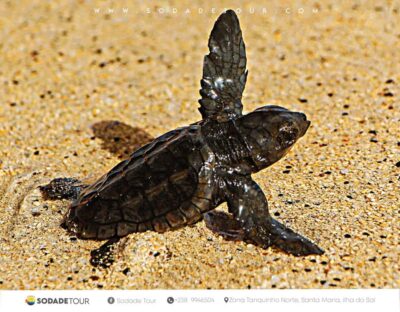

Browse the lists this tour appears in