
Reviewed · CAPE VERDE TURTLE WATCHING
Santa Maria: Sea Turtle Watching Experience on Sal Island
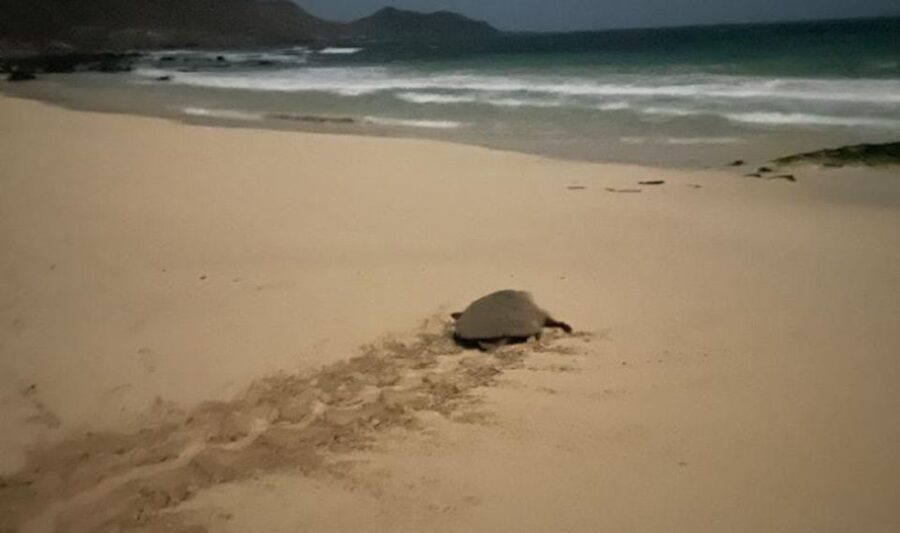
A female sea turtle hauling herself from the ocean, digging a nest, laying eggs, and slowly covering them with sand is one of Sal’s most memorable sights. This evening trip takes you to a quiet beach after dark, where trained guides use infrared lighting and careful positioning to let you watch without crowding the animal.
I like the strong conservation focus and the chance to ask biologists or guides about the turtles at close range. I also like the full story of the nesting process, not just a quick glimpse of a turtle on the sand. The catch is simple: nature keeps the timetable, so you may wait in silence for an hour or more, and seeing a turtle is not guaranteed.
In This Review
- Key points
- Why Sal’s night turtles matter
- From Santa Maria to a deserted beach
- Waiting under the stars
- Seeing the turtle come ashore
- What the guides add to the experience
- The full nesting sequence
- Why the $41 price can make sense
- Practical clothing and behavior advice
- Who should book this night out
- Booking and cancellation details
- Should you book the Sal sea turtle experience?
- FAQ
- What time does the sea turtle tour leave Santa Maria?
- Is seeing a turtle guaranteed?
- How long does the experience last?
- What should I wear?
- Can I take photos or use a flashlight?
- Is the tour suitable for everyone?
Key points
- A real nesting beach: You watch Cape Verde’s common, or yellow, turtle in its natural setting, not in a tank or rescue center.
- Guides who explain the full process: Guides such as Nany and Chan cover turtle behavior, egg-laying, nest concealment, and the return to the sea.
- Quiet night conditions: You walk on sand in darkness and must avoid flash photography, video, and flashlights.
- High but not certain chances: The operator reports a 99 percent success rate over the past five years, though environmental conditions can still change the night.
- A short evening outing: Pickup is generally around 8 PM, with a return around 10 or 11 PM, but current environmental rules allow timing between 7:30 and 10:30 PM.
- Good value for nature lovers: At $41, the tour includes transportation, hotel pickup and drop-off, a guide, the activity, and infrared lighting.
Why Sal’s night turtles matter
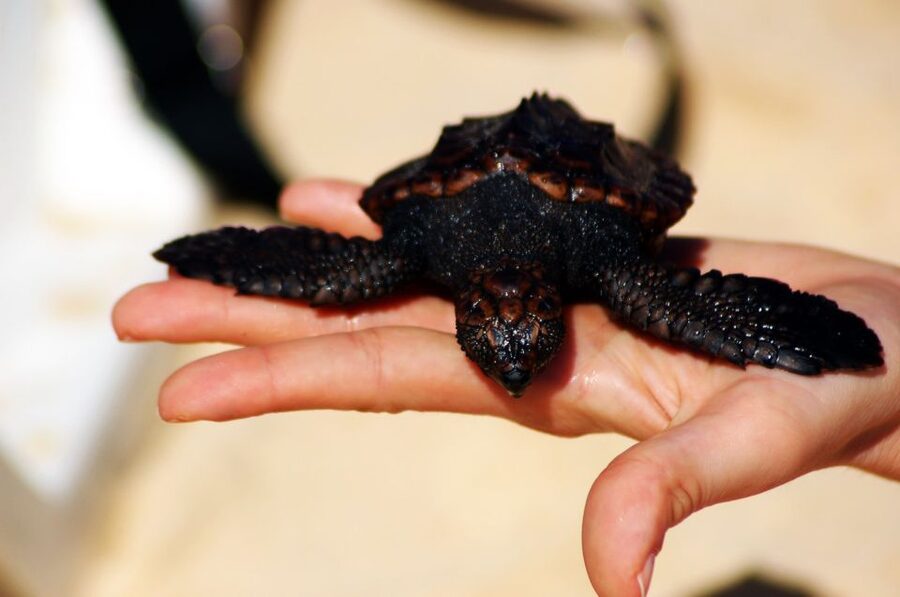
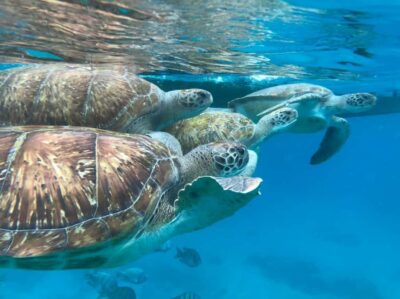
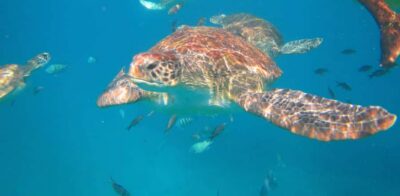
Cape Verde is home to three sea turtle species, and the common turtle, also called the yellow turtle, is the species you are most likely to see on Sal. The island’s sandy beaches are among the important nesting areas for this turtle, so the experience connects a holiday outing with a real conservation effort.
The timing matters. These turtles come ashore to reproduce, and the beach must remain dark and quiet. Artificial light can confuse them, while noise and movement can make them abandon the attempt. That is why the tour is built around patience rather than constant entertainment.
I like this approach. You are not simply taken to a viewpoint and shown an animal. You are taught how to behave around it, then asked to give the turtle room to do its work. The guide may explain the turtle’s evolution, body features, habits, and the risks it faces before taking you near the nesting site.
The word watching is important here. You do not touch the turtles, call them closer, or pose beside them. The best part is seeing a wild animal follow an ancient routine with as little human interference as possible.
More Cape Verde Turtle Watching in Sal Island
- 4h Turtle Watching with SSV Buggy Night 4WD
★ 5.0 · 20 reviews - Santa Maria: Sal Island Sea Turtle Watching Experience
★ 4.5 · 256 reviews - Turtle Watching Adventure
★ 5.0 · 98 reviews
From Santa Maria to a deserted beach
Pickup is usually arranged from your accommodation in Santa Maria at about 8 PM. The exact transport time is confirmed on the morning of the activity, and current Ministry of the Environment guidelines mean the schedule can vary between 7:30 PM and 10:30 PM.
You ride in a comfortable, air-conditioned vehicle. The trip to the beach is generally under an hour, with one account describing a journey of about 30 minutes. During the ride, the guide explains what will happen, which is useful because the rules are stricter than on an ordinary sightseeing trip.
The destination is a beautiful, quiet beach away from the bright lights of Santa Maria. You may walk a short distance over sand before reaching the observation area. Some accounts describe a longer walk along the beach, so comfortable footwear is important even though the drive itself is easy.
Bring a light jacket if you feel chilly at night. Mosquito repellent is also a sensible addition, based on practical advice from people who have taken the outing. Dark clothing is required: black, dark brown, dark blue, or dark grey are suitable choices. Bright colors can startle or disorient a turtle.
Waiting under the stars
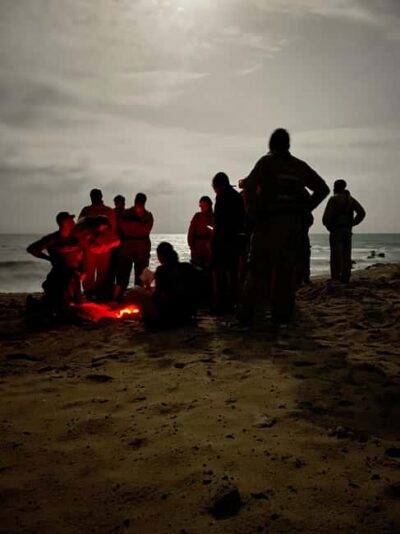
After the guide gives you an introduction, the search begins. The guides walk along the beach looking for a turtle coming out of the water, while you wait in a quiet area.
This is the part that calls for patience. You may wait less than 30 minutes, or you may be sitting for two hours or more if conditions are difficult. One account describes a wait of up to two hours as a possibility, and that is worth taking seriously when planning your evening.
The waiting is not wasted time, but you should know what kind of experience you are booking. There is no stage, no fixed show, and no guarantee that a turtle will appear at a convenient moment. You sit in darkness, listen to the sea, and look up at the stars while the guides search.
For me, that quiet is part of the appeal. The night sky and empty beach give the outing a sense of place that a daytime animal attraction could never match. For you, the same silence may feel long if you want a tightly timed excursion with one activity following another.
The operator reports a 99 percent success rate during the past five years. That is an encouraging figure, but it is not a promise. Wind, sea conditions, beach activity, turtle behavior, and other environmental factors can affect the result.
Seeing the turtle come ashore
When a turtle is found, the group is brought over in small clusters. This helps prevent a large crowd from surrounding the animal. You sit or remain still at a safe distance while the guide explains what you are seeing.
The first sight can be surprisingly powerful. A turtle may appear as a dark shape at the edge of the surf, then slowly pull herself up the sand. She may pause several times before choosing a place to nest. The pace is slow, and that is precisely why your own movements must be slow as well.
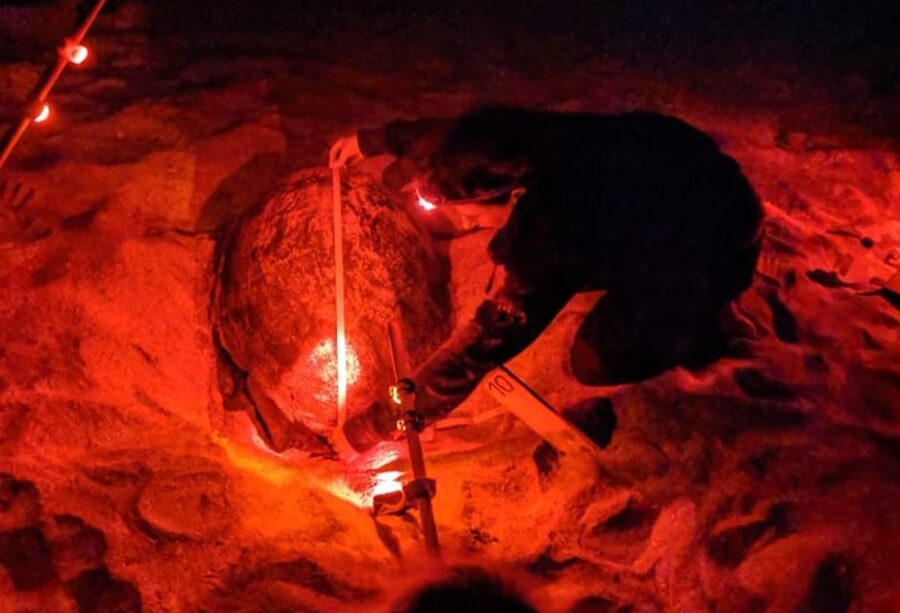
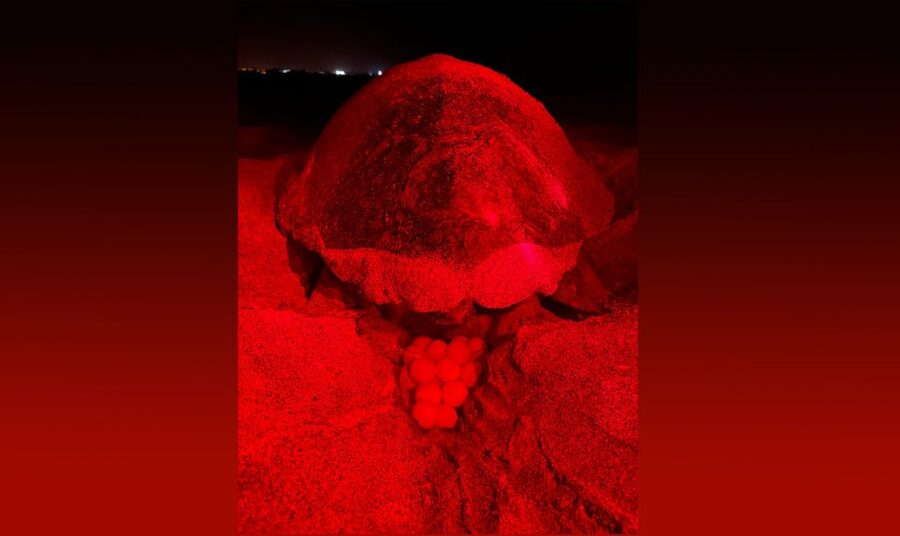
The guides do not simply point and leave you to guess what is happening. They explain how the turtle prepares the site and why the nesting sequence takes time. You may see the female dig a body pit, create a deeper egg chamber, lay her eggs, cover the chamber, and disguise the nest before returning to the ocean.
Several outings have included views of one, two, three, or even four turtles. Other sightings have involved a single turtle, and one experience saw a turtle without witnessing the egg-laying itself. You should treat multiple turtles as a bonus, not an expected part of the package.
The strongest part of the outing is watching the whole cycle. Seeing only a turtle arrive is interesting, but watching her complete the nest and return to the sea gives you a much clearer sense of the animal’s effort and purpose.
More cape verde turtle watching in Sal:
- Boa Vista: Shark, Turtles, Cave, Sandboarding & Tasting Tour
★ 4.8 · 328 reviews - From Mindelo: São Vicente’s Enchanting Sea Turtle Snorkeling
★ 4.4 · 153 reviews - São Vicente: Snorkel with Sea Turtles Adventure
★ 4.5 · 111 reviews - Boa Vista: Beautiful Beaches, Turtles & Djeu Island Snorkel
★ 4.6 · 100 reviews
What the guides add to the experience
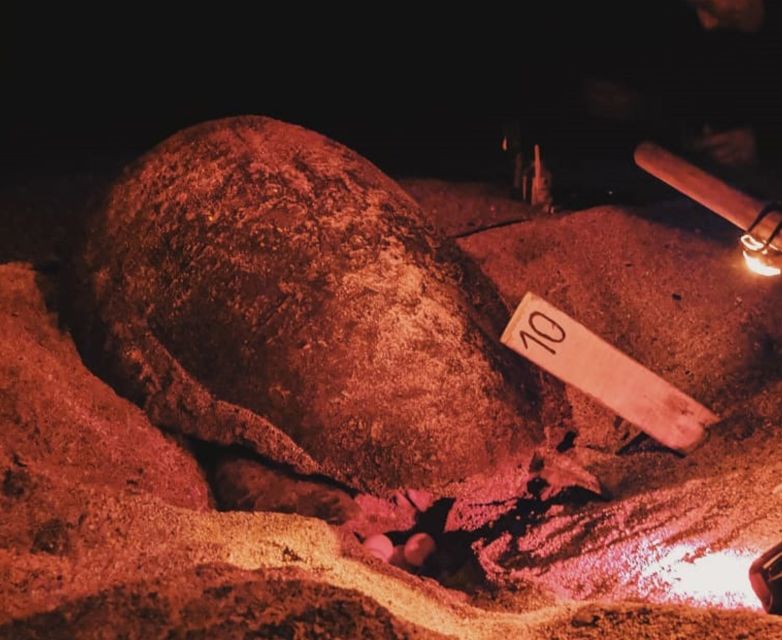
The guides are central to the quality of this trip. Names that come up in the experience include Nany, Dani, and Chan. Nany is described as especially warm and well informed, while Chan is praised for explaining both the turtles and Cape Verde more broadly.
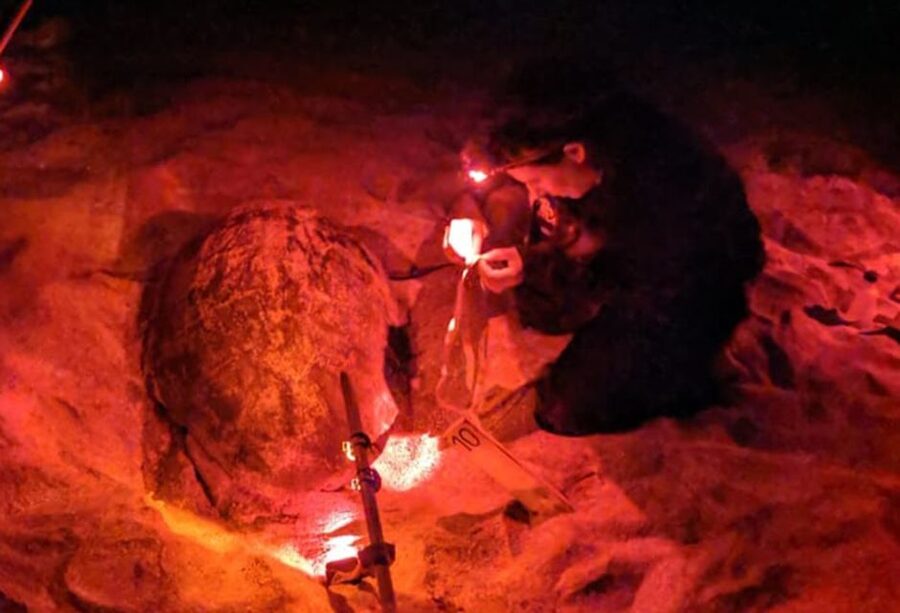
The best guide work happens in small details. A guide can tell you when to stay still, where to sit, and when a turtle is likely to become sensitive to movement. The guide can also explain why a turtle might turn back toward the sea or abandon a spot.
Some guides work with local conservation experts, and the activity may include observing professionals taking measurements. That gives you a glimpse of the scientific side of turtle protection, not just the public viewing side.
Languages offered are English, Portuguese, French, and Spanish. This matters on a subject with many unfamiliar terms and a strict code of conduct. You want clear instructions when a turtle is nearby, especially if the group includes people speaking different languages.
The most important quality is respect. The guides’ job is not to guarantee a close-up photograph. It is to give you a good view while keeping disturbance low. That balance is what makes the experience worth doing.
The full nesting sequence
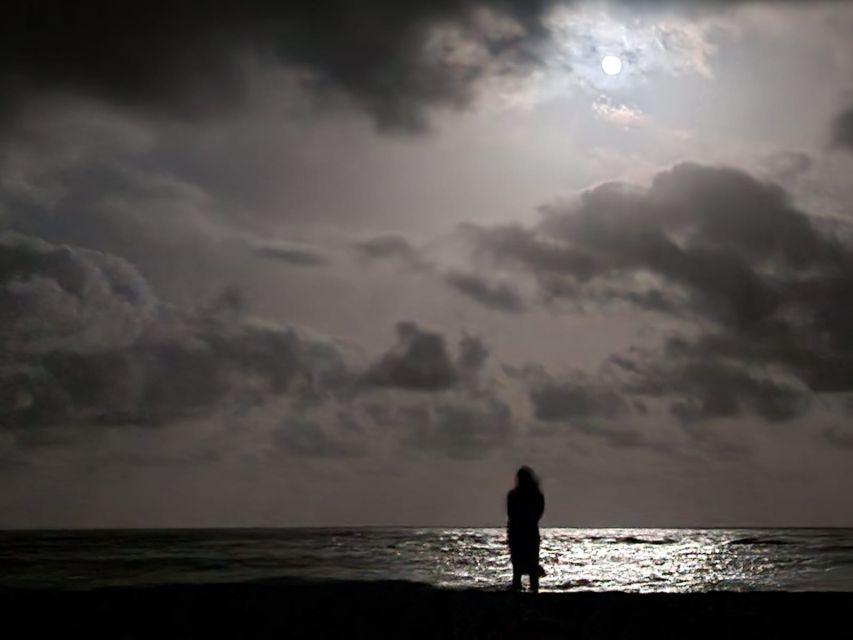
A successful sighting can take 30 to 45 minutes, sometimes longer. You may first watch the turtle settle, then wait while she digs. Later, she lays her eggs, covers the chamber, and returns to the water.
The covering stage is easy to underestimate. The turtle uses her rear flippers to move sand over the nest, then may shift sand around the wider area to hide its exact position. The guide can explain how this protects the eggs from predators and helps keep the nest difficult to find.
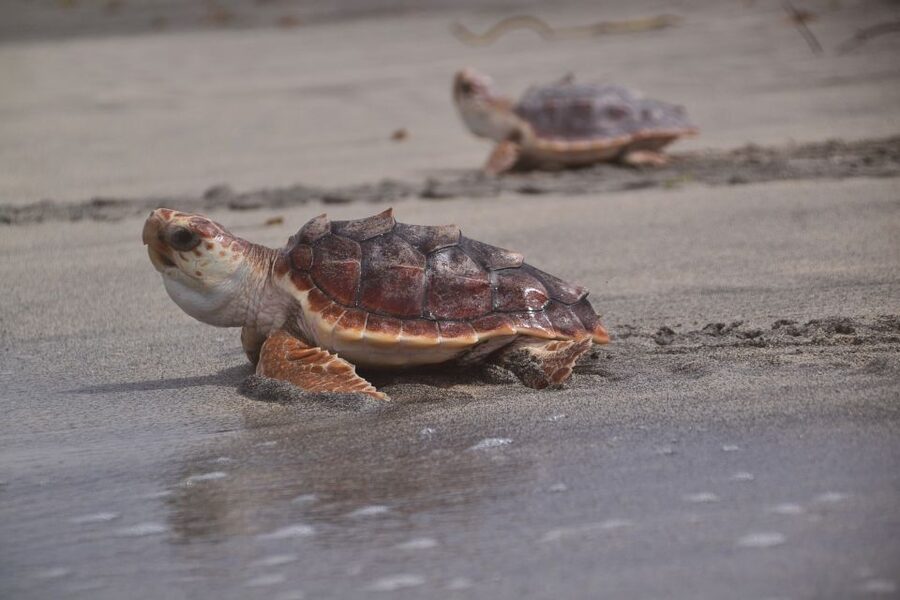
You might also see hatchlings, though they are not guaranteed. Some outings have included small turtles emerging from the sand, while others have not seen any babies. One account noted that no baby turtles had appeared at that point in the season.
If hatchlings are present, the same rules apply. Do not use a flashlight, shine a phone at them, or move into their path. The activity provides infrared lighting, which allows observation without using ordinary bright light.
Flash photography and video recording are not allowed. Flashlights are also prohibited. You may be able to take photographs under the permitted conditions, but follow the guide’s instructions rather than assuming your phone camera is acceptable.
Why the $41 price can make sense
The price is $41 per person. That is a fair cost if you value a guided wildlife experience and want transportation included, since the tour covers hotel pickup and drop-off, the vehicle, guide, activity, and infrared lighting.
You are also paying for local searching and conservation-minded handling. If the guide spends time locating a turtle rather than taking the group to a fixed viewing point, the work behind the evening is less visible but still part of what you are buying.
The value depends on your expectations. If you need a guaranteed animal sighting, a fixed schedule, or a quick photo stop, $41 may feel like too much for a night of waiting. If you want a rare chance to see a wild turtle nesting and learn how to observe it properly, the price is reasonable.
The tour has a rating of 4.6 from 446 reviews, which suggests broad satisfaction without pretending every night produces the same result. The repeated praise centers on the guides, transport, clear explanations, and the privilege of seeing turtles in the wild.
Practical clothing and behavior advice
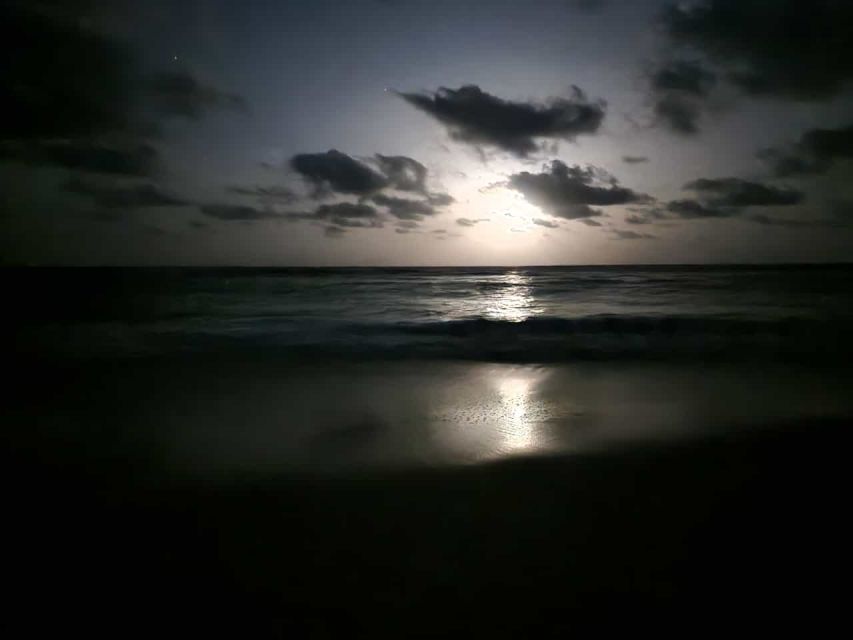
You should prepare for sand, darkness, and quiet. Wear comfortable shoes that will not become a nuisance during a beach walk, and choose dark clothes from top to bottom.
A simple packing list:
- Comfortable shoes
- Dark-colored clothing
- A light jacket
- Mosquito repellent
- Patience
Leave bright flashlights at the hotel. Do not plan to film the outing, and do not use flash photography. People under the influence of alcohol cannot take part.
The beach is dark enough that the experience is not suitable for people with a fear of darkness. It is also not recommended for people with reduced mobility, wheelchair users, or children under three. Walking over sand and remaining quiet for long periods can be tiring for anyone who needs stable footing.
The group may begin at around 20 people, then split into smaller groups near the turtle. That arrangement gives you a better view and reduces pressure on the animal, though the overall outing may still feel like a shared group activity rather than a private tour.
Who should book this night out
I would choose this experience if you care about wildlife, can sit quietly, and are happy to let nature set the pace. It suits couples, older children who can follow strict instructions, and adults who want something more meaningful than another beach excursion.
It is also a good choice for anyone curious about conservation. You can ask about turtle behavior, nesting, measurements, and the reasons behind the rules. The experience is educational without taking place in a classroom.
I would hesitate if you have limited mobility, dislike walking on sand, fear the dark, or need to return at a precise time. The schedule can shift, and the wait can be long. A child under three should not attend, and anyone who expects constant action may find the quiet stretches difficult.
Booking and cancellation details
You can reserve the experience and pay later, which keeps your plans flexible. Cancellation is allowed up to 24 hours in advance for a full refund.
Because transport times can change, check the confirmed pickup time on the morning of the outing. Plan your evening around the possibility of returning at about 10 or 11 PM, rather than treating the earlier estimate as a firm promise.
Should you book the Sal sea turtle experience?
Book it if you want to witness a wild animal on its own terms. The strongest reasons are the careful guides, the chance to watch the complete nesting process, and the setting: a silent beach under the moon and stars.
Go with realistic expectations. You may wait for a turtle, see only one, or miss the egg-laying stage. You must wear dark clothes, avoid all forbidden light and recording, and accept that conservation comes before your perfect photograph.
For $41, hotel transport and a trained guide make this a strong value for nature lovers. I would put it near the top of a Sal itinerary, especially during turtle nesting season, as long as you are ready for a quiet, patient night rather than a guaranteed wildlife show.
FAQ
What time does the sea turtle tour leave Santa Maria?
Pickup is generally around 8 PM, but current guidelines allow the activity to take place between 7:30 PM and 10:30 PM. The exact transport schedule is confirmed on the morning of the event.
Is seeing a turtle guaranteed?
No. Nesting depends on environmental conditions and turtle behavior. The operator reports a 99 percent success rate over the past five years, but sightings cannot be guaranteed.
How long does the experience last?
The usual plan is to return to your accommodation around 10 or 11 PM. Waiting times can vary, and you may need to wait two hours or more before a turtle comes ashore.
What should I wear?
Wear dark-colored clothing, such as black, dark brown, dark blue, or dark grey, along with comfortable shoes for walking on sand. A light jacket and mosquito repellent can also be useful.
Can I take photos or use a flashlight?
Flash photography, video recording, and flashlights are not allowed. Infrared lighting is provided for the observation.
Is the tour suitable for everyone?
The experience is not recommended for children under three, people with reduced mobility, wheelchair users, or people with a fear of darkness. Anyone under the influence of alcohol cannot participate.
Just added around Sal
- Private full day – Sailing Yacht★ 5.0 · 4 reviews
- Sal Island: Guided Full-Day Highlights Tour with Lunch★ 5.0 · 5 reviews
- Rent a Scooter in Sal Island★ 4.5 · 7 reviews
- Abraço Salgadinho – Sal Island Tour★ 5.0 · 10 reviews
- Private Guided Tour of Sal Island | Electric Car with Audio Guide★ 5.0 · 6 reviews
- Private Boat Tour in Santa Maria★ 5.0 · 26 reviews
- Exclusive Sal Island – Full Day Personalized for You★ 5.0 · 10 reviews
- Kitesurf Lessons in Cape Verde★ 5.0 · 8 reviews
Cape Verde Turtle Watching, compared.
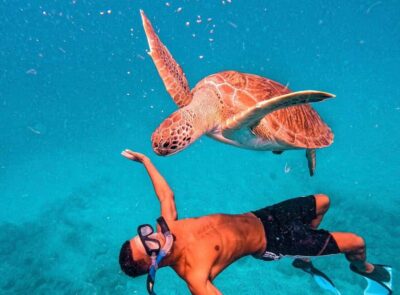
Shark, Turtles, Cave, Sandboarding & Tasting Tour
Read our review →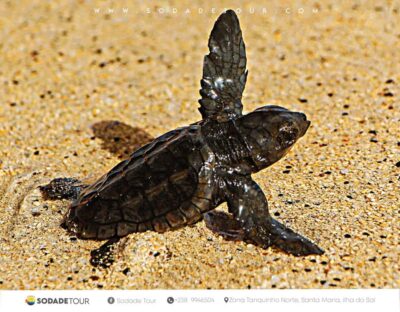

Browse the lists this tour appears in