
Reviewed · CAPE VERDE TURTLE WATCHING
Santa Maria: Sal Island Sea Turtle Watching Experience
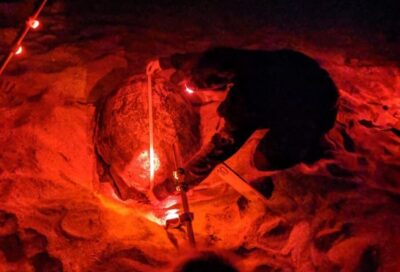
Sal’s beaches become a nursery after dark. On this three-hour evening outing, you may watch a female common turtle come ashore, lay her eggs, cover the nest, and return to the Atlantic. If timing is right, you may also see hatchlings scramble from the sand toward the water.
I like the small groups of up to 10 and the care taken to keep lights, noise, and people away from the turtles. I also like having a local guide explain the nesting process rather than simply dropping you at a beach and hoping something appears.
The main drawback is patience. Turtle activity follows nature’s timetable, not the tour clock, so you may spend an hour waiting in darkness before anything happens. Sightings are never guaranteed, and the evening can stretch beyond the advertised three hours.
In This Review
- Key points to know before booking
- Why Sal is a special place for turtle nesting
- The evening pickup from Santa Maria
- A short guided introduction in Santa Maria
- Arriving at Kite Beach after dark
- What you might see during the nesting process
- The conservation rules are not optional
- Why the waiting can feel long
- The value of the $37 price
- Who will enjoy this most
- What to pack for a better evening
- Should you book the Sal turtle watching experience?
- FAQ
- How long does the sea turtle watching experience last?
- Where does the tour go?
- Is hotel pickup included?
- What languages are available?
- How many people are in the group?
- Are food and drinks included?
- Can I use flash photography or touch the turtles?
Key points to know before booking
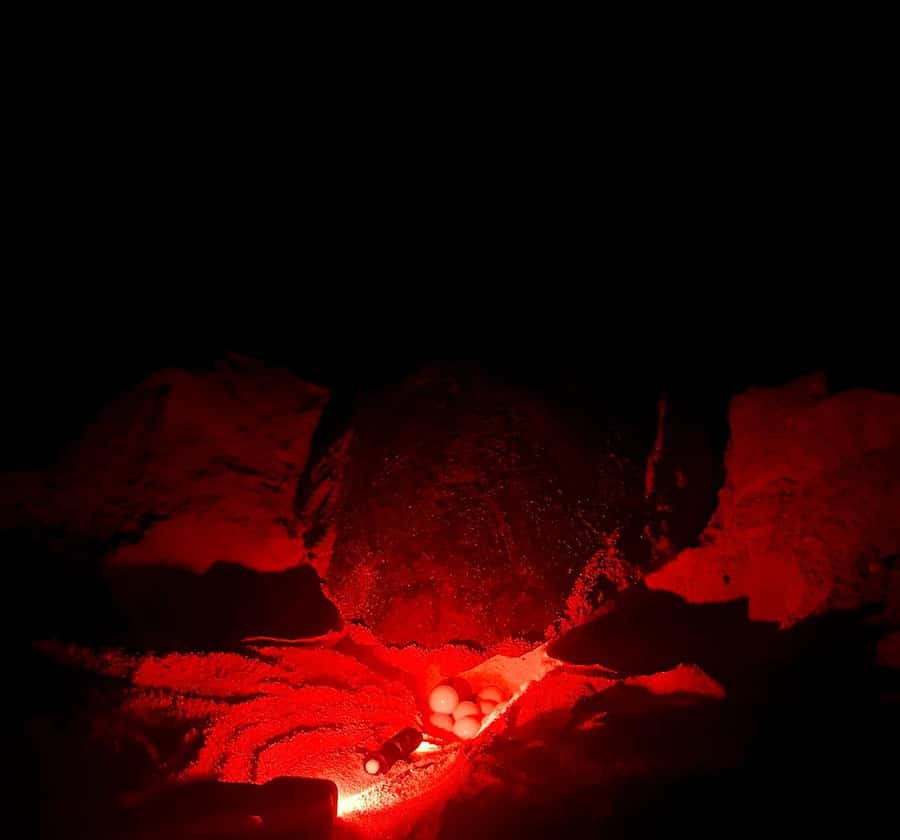
- You may see the full nesting cycle: A lucky evening can include a female laying eggs, hiding the nest, returning to the sea, and hatchlings heading into the water.
- Kite Beach is the main wildlife stop: The outing includes a guided period of about two hours at the beach, reached by air-conditioned vehicle from Santa Maria.
- Red lights protect the turtles: Flash photography and bright white lights are not allowed, so bring a camera only if you can use it responsibly.
- Waiting is part of the experience: Guides may walk the beach and search for activity before the group settles in to watch.
- The conservation message is central: You learn about Cape Verde’s three turtle species, with the common, or yellow, turtle the most frequently seen.
- The $37 price is strong value: Hotel transfers, a professional local guide, taxes, fuel, and service charges are included, with no food or drinks provided.
Why Sal is a special place for turtle nesting
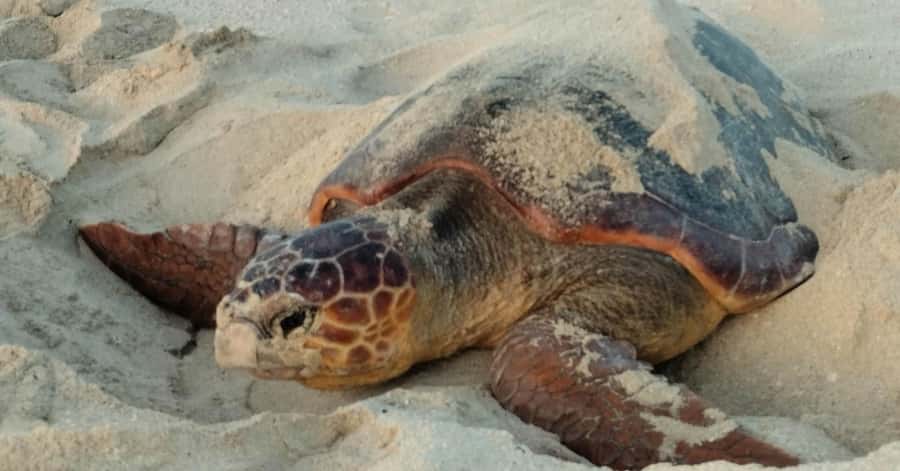
Cape Verde’s sandy shores are important nesting grounds for the common turtle, also called the yellow turtle. The island is home to three turtle species, but the common turtle is the one you are most likely to encounter on this excursion.
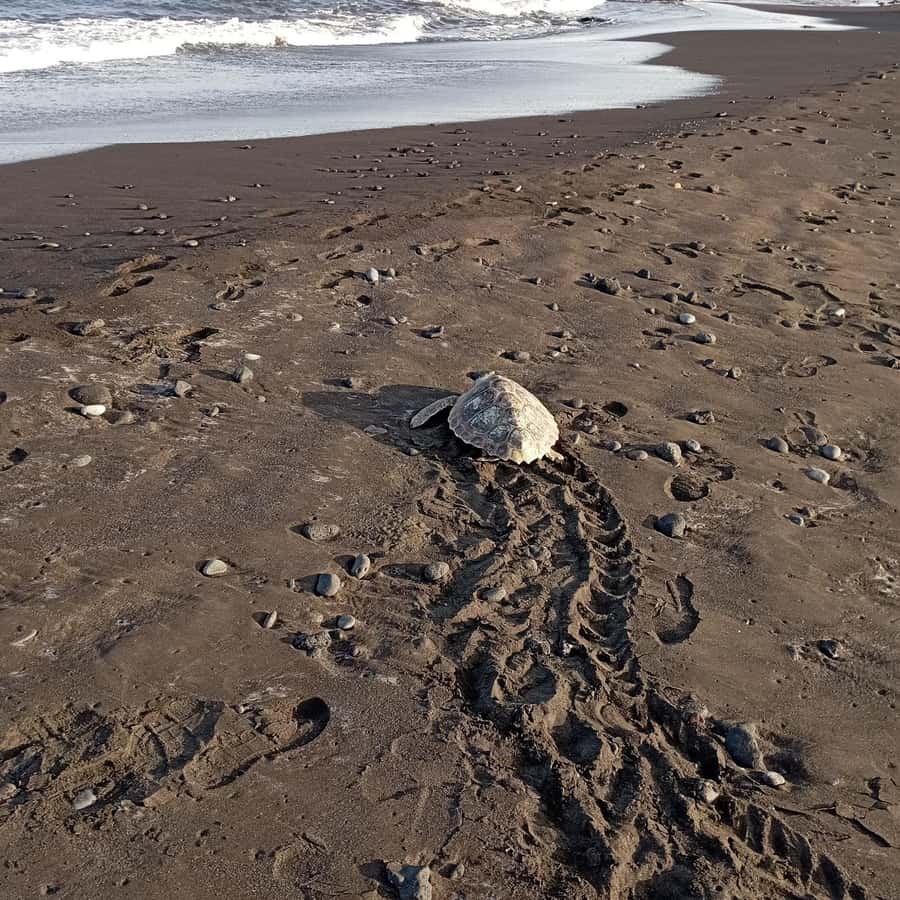
The timing matters. Female turtles come out of the sea at night, when the beach is cooler and darker. They move above the tide line, prepare a nest in the sand, lay their eggs, cover the chamber, and slowly return to the water. The process can take time, and the turtle may appear surprisingly vulnerable as she works.
That is why this is not a staged animal encounter. You cannot call a turtle over, feed it, or pose beside it. You sit quietly at a distance and let the animal decide what happens next. That makes the experience less predictable than a standard sightseeing stop, but also more meaningful.
Guides explain the turtles’ evolution, physical traits, nesting habits, and the threats they face. They also explain why protecting the animals takes priority over giving people a close view. That message is worth hearing before the wildlife appears, not after.
More Cape Verde Turtle Watching in Sal Island
- Watch Sea Turtles Nesting – Night Tour in Sal Island
★ 4.1 · 14 reviews - Santa Maria: Sea Turtle Watching Experience on Sal Island
★ 4.0 · 9 reviews - Santa Maria: Sea Turtle Watching Experience on Sal Island
★ 4.6 · 446 reviews
The evening pickup from Santa Maria
Pickup is provided from a wide range of hotels and meeting points in Santa Maria. The list includes Hotel Morabeza, Hotel MiraBela, Hotel Riu Cabo Verde, Meliá Dunas, Hotel Riu Funana, Hilton Cabo Verde Sal Resort, Robinson Cabo Verde, The Budha Beach Hotel, Hotel Riu Palace Santa Maria, Meliá Tortuga Beach, Sol Dunas, and several other central accommodations.
You are collected at your accommodation reception, usually in the evening. The activity information gives an 8 PM pickup example, while the general schedule says the activity starts at 7 PM and normally ends at 11 PM. Those times do not line up perfectly, so I would confirm your exact pickup time when booking. Hotel collection can also take longer when several properties are included.
The ride is in a comfortable, air-conditioned vehicle. That matters on Sal, where the beach can feel cool and exposed after sunset, even if the day was hot. You do not need to arrange a taxi to a remote shore, and the transfer is included in the $37 price.
Food and drinks are not included. Eat before pickup and bring water if you need it. Alcohol is not allowed in the vehicle or during the activity.
A short guided introduction in Santa Maria
The itinerary includes about 45 minutes of guided touring in Santa Maria before the longer beach portion. This gives the guide time to set the scene and explain what you are looking for.
You learn about the three turtle species found in Cape Verde, why Sal is important for nesting, and how the guides protect the animals during the visit. The introduction also helps you understand what counts as a successful sighting. Seeing a turtle reach the sand is one moment. Watching her dig, lay eggs, disguise the nest, and leave is a much longer sequence.
The group may be divided by language when needed. Tours are available in Portuguese, English, French, and Italian. One English-speaking participant described being the only English speaker in the group and still receiving suitable explanations, while guides separated people by language when discussing the activity.
Guides who have led recent outings include Sousa, Johnny Cash, and Anastassi Salsa. The names may vary by departure, but the guide’s role remains important. You need someone who can find activity without trampling nesting areas and who knows when the group should stop moving and simply wait.
Arriving at Kite Beach after dark
The main wildlife stop is Kite Beach, reached in less than an hour from Santa Maria according to the tour description. The itinerary allows about two hours here, though the total evening may be longer depending on pickup times and turtle activity.
The beach is described as secluded or deserted, which is exactly what you want for this kind of outing. Fewer people and less artificial light give the turtles a better chance of coming ashore undisturbed. You should not expect a lit viewing platform, paved walkway, or restaurant nearby. This is a sandy beach at night.
The first part may involve a search. Guides can walk along the shore to look for tracks, hatchlings, or a female approaching from the ocean. One evening included more than an hour of waiting before the group saw movement. That is normal for wildlife watching, but it can feel unclear if nobody explains what is happening.
I would ask the guide at the start how the evening will work. Find out whether the group is waiting for a female, checking for hatchlings, or moving between areas. A little information makes the quiet periods easier to enjoy.
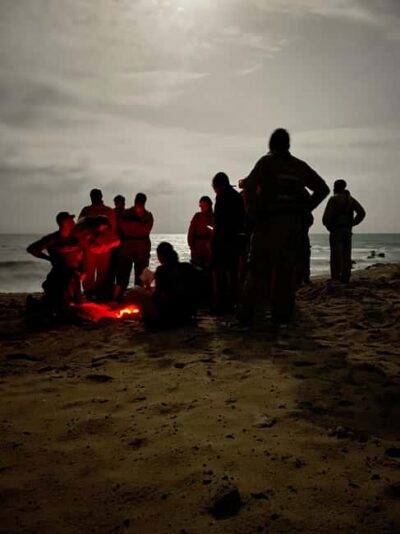
When activity begins, the group walks in a small formation and settles down. You may be asked to sit and remain silent. Do not use a phone flashlight, shout to alert others, or move toward a turtle for a better picture. The rule is simple: the animal gets the beach, and you get to watch.
More cape verde turtle watching in Santa Maria Cape Verde:
- Boa Vista: Shark, Turtles, Cave, Sandboarding & Tasting Tour
★ 4.8 · 328 reviews - From Mindelo: São Vicente’s Enchanting Sea Turtle Snorkeling
★ 4.4 · 153 reviews - São Vicente: Snorkel with Sea Turtles Adventure
★ 4.5 · 111 reviews - Boa Vista: Beautiful Beaches, Turtles & Djeu Island Snorkel
★ 4.6 · 100 reviews
What you might see during the nesting process
The most memorable possibility is a female turtle laying eggs. She may first come out of the water and travel up the beach. Then she finds a suitable place and begins preparing the nest.
Once she enters the egg-laying stage, she is less likely to be distracted by quiet observers at a respectful distance. This is when you may be allowed to watch the process using the guides’ red lights. The red light helps the group see without the harsh white beam that could disturb the turtle.
After laying, the turtle covers the eggs with sand. She may work carefully for some time, shifting sand over the nest and helping disguise its exact position. When she finishes, she returns to the sea. Several participants described seeing this sequence from egg-laying through the return to the water.
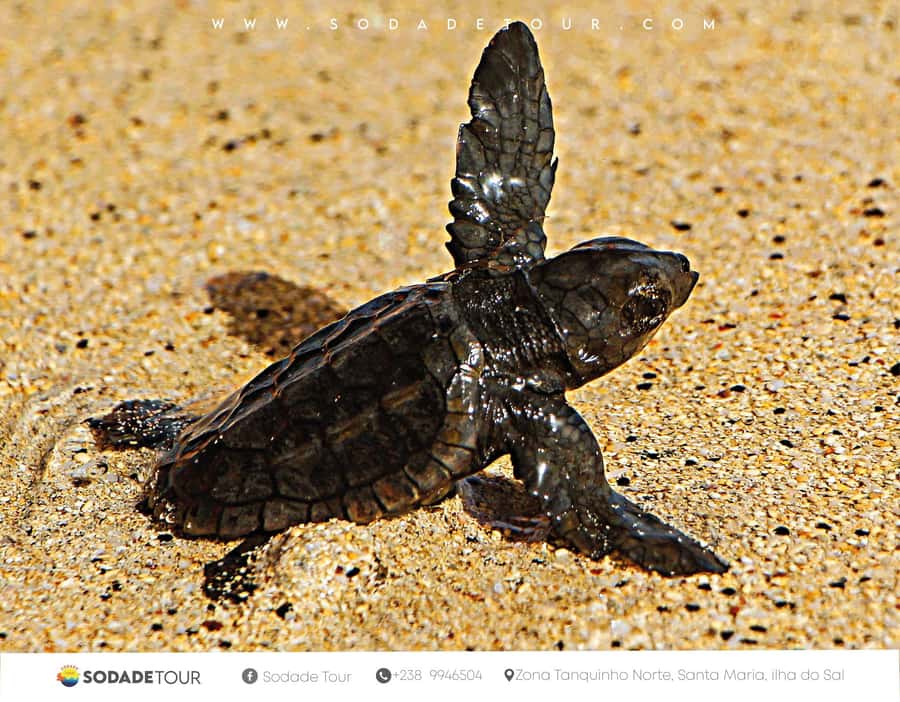
Hatchlings offer a different kind of sighting. They emerge from the nest and move toward the ocean, often in a small rush across the sand. You may see this on the same evening as a nesting female, though there is no promise that both stages will occur.
A few people have seen hatchlings and an egg-laying turtle on one outing. That is an exceptional night, not the basic guarantee. The only fair expectation is a guided search for turtle activity, with the chance of seeing nesting or hatching.
The conservation rules are not optional
The restrictions may seem strict, but each one has a reason. You cannot touch the animals, use flash photography, smoke, litter, or bring alcohol and drugs. Smoking is also forbidden in the vehicle and indoors.
Bring a garbage bag for your own waste. Even a small wrapper can become a hazard on a nesting beach. Biodegradable sunscreen and insect repellent are requested, which is useful if you apply them before leaving your hotel.
Do not bring a baby stroller, electric wheelchair, or explosive substances. The activity is not suitable for wheelchair users or people with visual impairments. You need to be able to walk on sand at night and follow spoken instructions in a dark outdoor setting.
Wear comfortable clothes and shoes. Sandals may be fine for some people, but comfortable closed shoes can make walking easier. Bring a camera, but treat photography as secondary. A blurry, flash-free picture is better than a perfect image that interrupts the turtle’s behavior.
The guides’ attitude makes a real difference here. Sousa and his daughter were praised for treating the turtles with care while also looking after the group. Another guide, Johnny Cash, was noted for creating a friendly atmosphere despite the mixed languages. The strongest part of the outing is not simply spotting an animal. It is seeing a team that understands the limits of responsible wildlife viewing.
Why the waiting can feel long
A turtle tour needs a different frame of mind from a museum visit. At a museum, the exhibit is waiting for you. On the beach, you are waiting for an animal that may choose another stretch of sand.
Some outings involve a quick drive from one site to another. One evening included an initial stop, a period of searching, a sighting of hatchlings, and then another short transfer to watch a female lay eggs. Other times, you may wait in one place for more than an hour before anything happens.
The weakness is communication. If guides walk away to search and leave the group sitting in darkness, you may wonder if the tour has stalled. One participant felt the experience would have been better with more explanation during that wait. I agree. A guide should tell you what the team is checking and what signs they are looking for.
Still, waiting under a dark sky has its own reward. One person especially enjoyed seeing the stars while the group waited. The beach becomes quiet, and you begin to notice the difference between an organized wildlife watch and a quick photo stop.
Bring patience, not high expectations. If you need constant activity, this will feel slow. If you are willing to sit quietly for the chance to see a rare natural event, the waiting is part of the bargain.
The value of the $37 price
At $37 per person, this is one of the lower-priced turtle watching options offered around Sal. The cost includes your hotel transfer, professional local guide, taxes, fuel, and service charges.
That is good value because transport to a remote beach can otherwise add up, and you are not simply paying for a drive. You receive an explanation of turtle biology and nesting behavior, plus assistance from people who know how to approach the beach without using bright lights or disturbing the animals.
The price does not buy certainty. You are paying for access, transport, guidance, and a protected viewing attempt. There may be no turtle on a particular night. You also pay separately for food and drinks, so plan ahead.
Compared with a more expensive option, the lower price does not appear to mean a bare-bones outing. The key ingredients are present: trained guides, small groups, conservation rules, and a beach search. I would choose this tour if you want the experience itself rather than a polished resort-style package.
The free cancellation policy allows you to cancel up to 24 hours ahead for a full refund. You can also reserve now and pay later, which helps if your island plans are still moving around.
Who will enjoy this most
I would recommend the experience to adults, older children who can stay quiet, wildlife fans, and anyone interested in conservation. It is especially good for you if you value an authentic encounter over a guaranteed photo.
It suits people who can walk on sand, sit outdoors at night, and wait without knowing exactly when the action will start. The small group limit of 10 makes the setting more manageable than a large coach outing, although several groups may still be working in the same general area.
It is less suitable for anyone with limited mobility, visual impairment, or a strong need for a fixed timetable. It is also a poor choice if you want to touch an animal or take bright, close-up photographs. The rules leave no room for that.
Language should not be a major barrier. Guides work in Portuguese, English, French, and Italian, and the group may be organized so explanations reach the right language speakers.
What to pack for a better evening
Keep your bag light. You need:
- Comfortable shoes for sand
- Comfortable clothing
- A camera without flash use
- Biodegradable sunscreen
- Biodegradable insect repellent
- A garbage bag
- Water and any food you need before or after the tour
Do not pack alcohol for the vehicle or beach. Leave strollers and electric wheelchairs behind, and keep smoking materials unused.
Your best accessory is patience. The second best is a willingness to put the turtle first. If you do that, the quiet stretches become easier, and the sight of a hatchling reaching the ocean feels earned.
Should you book the Sal turtle watching experience?
I would book it if your visit falls during the nesting season and you want a wildlife experience with a real conservation focus. At $37, the included transfer and small group make it a sensible choice, especially when more expensive options do not promise better turtle activity.
Book with realistic expectations. You may see a female lay eggs, cover the nest, and return to the sea. You may see hatchlings. You may spend much of the evening waiting and see only limited activity. That uncertainty is not a flaw in nature, but clear communication from the guide would make the waiting more comfortable.
Ask for the exact pickup time, eat before leaving, wear shoes suited to sand, and prepare to use only red light. If you can sit quietly and accept that the turtles set the schedule, this can become one of your most memorable evenings on Sal.
FAQ
How long does the sea turtle watching experience last?
The advertised duration is three hours. The activity information also says it can start around 7 PM and usually finish by 11 PM, while an example pickup time is 8 PM. Confirm your exact schedule when booking.
Where does the tour go?
The experience begins with pickup in Santa Maria and includes a guided portion there. The main wildlife stop is Kite Beach, where you spend about two hours looking for nesting turtles and hatchlings.
Is hotel pickup included?
Yes. Pickup from the reception of listed accommodations and meeting points in Santa Maria is included, followed by a return transfer to listed drop-off locations.
What languages are available?
Live guiding is available in Portuguese, English, French, and Italian.
How many people are in the group?
The activity is described as a small-group tour limited to 10 participants.
Are food and drinks included?
No. Food and drinks are not included, so eat before pickup and bring water if needed. Alcoholic drinks are not allowed in the vehicle.
Can I use flash photography or touch the turtles?
No. Flash photography and touching the animals are not allowed. You must remain quiet and follow the guide’s instructions so the turtles are not disturbed.
Just added around Santa Maria Cape Verde
- Watch Sea Turtles Nesting – Night Tour in Sal Island★ 4.1 · 14 reviews
- Sal: Kizomba Group Class – Santa Maria, Cape Verde★ 4.5 · 28 reviews
- Half Day 4×4 Tour with Viana Desert and Villages★ 4.1 · 8 reviews
- Santa Maria: Half-Day Diving Trip in Sal with Pickup★ 4.7 · 6 reviews
- Santa Maria: Sea Turtle Watching Experience on Sal Island★ 4.0 · 9 reviews
- Santa Maria: Scenic Segway Tour with Guide★ 4.7 · 11 reviews
- Santa Maria Half Day or Full Day Car Rental, Pedra de Lume★ 3.6 · 8 reviews
- Sal: Small Group Island Tour & Lunch with a Local Family★ 4.4 · 3 reviews
Cape Verde Turtle Watching, compared.
Shark, Turtles, Cave, Sandboarding & Tasting Tour
Read our review →

Browse the lists this tour appears in